How Drone Mapping Improves Pre-Construction Planning for Job Sites
Key Takeaways:
- Drone mapping reduces survey time by 60-70% compared to traditional methods while delivering centimeter-level accuracy
- Pre-construction aerial data identifies drainage issues, access challenges, and grading requirements before breaking ground
- Research shows drone surveys can cut project duration by up to 45% and reduce field costs by 50%
- Orthomosaic maps and 3D terrain models enable accurate measurements of distances, areas, and elevations for design calculations
- Early issue detection through drone mapping prevents costly change orders that average 11-15% cost overruns on construction projects
Every construction project starts with a critical question: do we truly understand this site? For contractors, developers, and engineers across Ohio, that question has traditionally meant weeks of boots-on-the-ground surveying, incomplete data, and decisions made with partial information. The stakes are high. An overlooked drainage issue, miscalculated grading needs, or inaccurate elevation data can derail timelines, inflate budgets, and create conflicts that follow a project from groundbreaking to completion.
We see this reality play out across Ohio job sites every day. From complex urban developments in Columbus and Cincinnati to sprawling industrial sites in rural areas, the pre-construction phase sets the trajectory for everything that follows. Miss a critical detail during planning, and you are managing change orders, rework, and frustrated stakeholders six months later.
Drone mapping has fundamentally changed how construction teams approach pre-construction planning. At 1st Choice Aerials, we work directly with property owners, contractors, and commercial clients who need accurate, actionable site data before breaking ground. Our approach focuses on three core principles: Visualize. Analyze. Optimize. We capture comprehensive aerial data, process it into project-ready deliverables, and deliver insights that help teams make confident decisions from day one.
The Pre-Construction Planning Challenge
Traditional site surveying methods require crews to spend days or weeks walking properties with GPS equipment, establishing survey points, and collecting elevation data. This process is labor-intensive, time-consuming, and inherently limited in scope. Ground crews can only access certain areas, weather delays are common, and the resulting data often arrives too late to influence early design decisions.
Ohio's diverse terrain adds another layer of complexity. Urban sites in Cleveland, Columbus, and Cincinnati present tight spaces, proximity to occupied buildings, and complex access constraints. Rural and industrial properties across the state involve large acreages, challenging topography, and remote locations that make traditional surveying even more difficult. Highway corridors, brownfield redevelopments, and mixed-use projects each bring unique site assessment challenges that ground-based methods struggle to address efficiently.
The consequences of incomplete pre-construction data are well-documented. According to research from Propeller Aero, an average of 35% of construction projects experience major changes, with change orders leading to cost overruns of 11-15% and project delays of up to 20% beyond scheduled completion. Many of these issues stem from inadequate site understanding during the planning phase.
How Drone Mapping Works for Pre-Construction
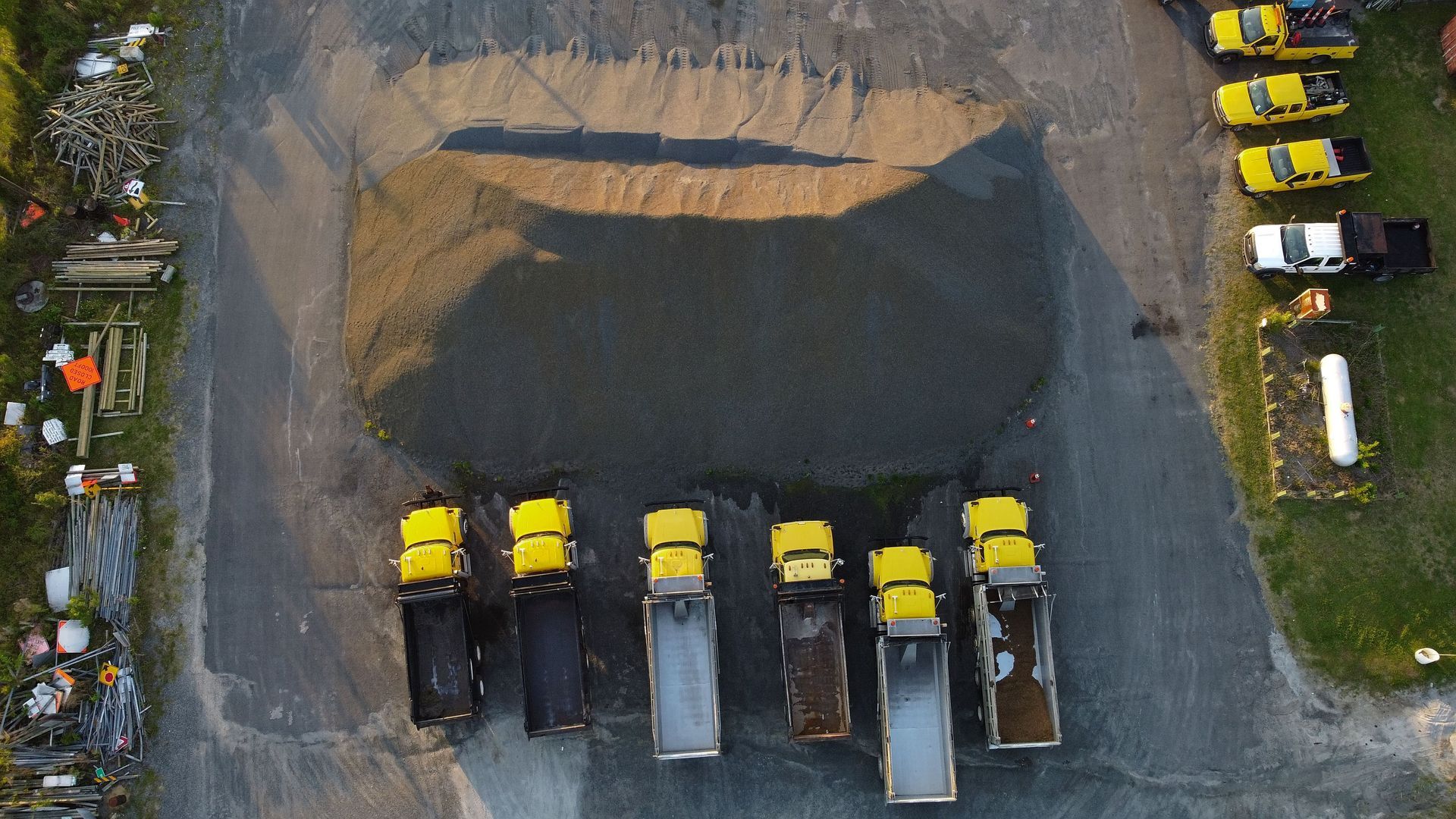
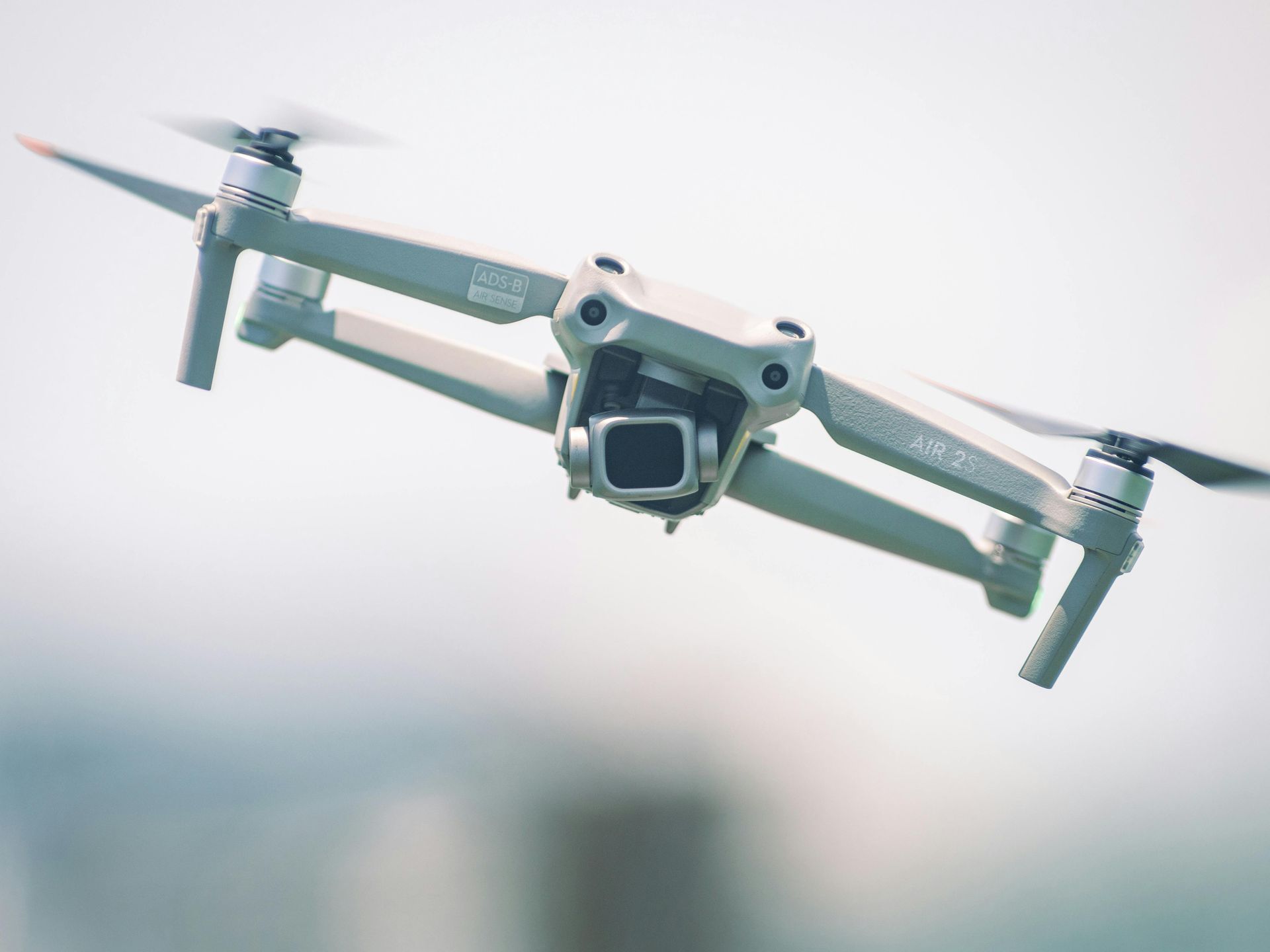
Drone mapping for construction captures entire job sites in a fraction of the time required by traditional methods. We deploy professional-grade drones equipped with high-resolution cameras and RTK (Real-Time Kinematic) GPS positioning to collect thousands of overlapping images from multiple angles and elevations.
The process begins with careful flight planning. Our FAA Part 107 certified pilots program autonomous flight paths that ensure complete site coverage while accounting for airspace restrictions, weather conditions, and project-specific requirements. During the flight, the drone captures georeferenced imagery that documents every detail of the site, from existing structures and vegetation to terrain variations and access points.
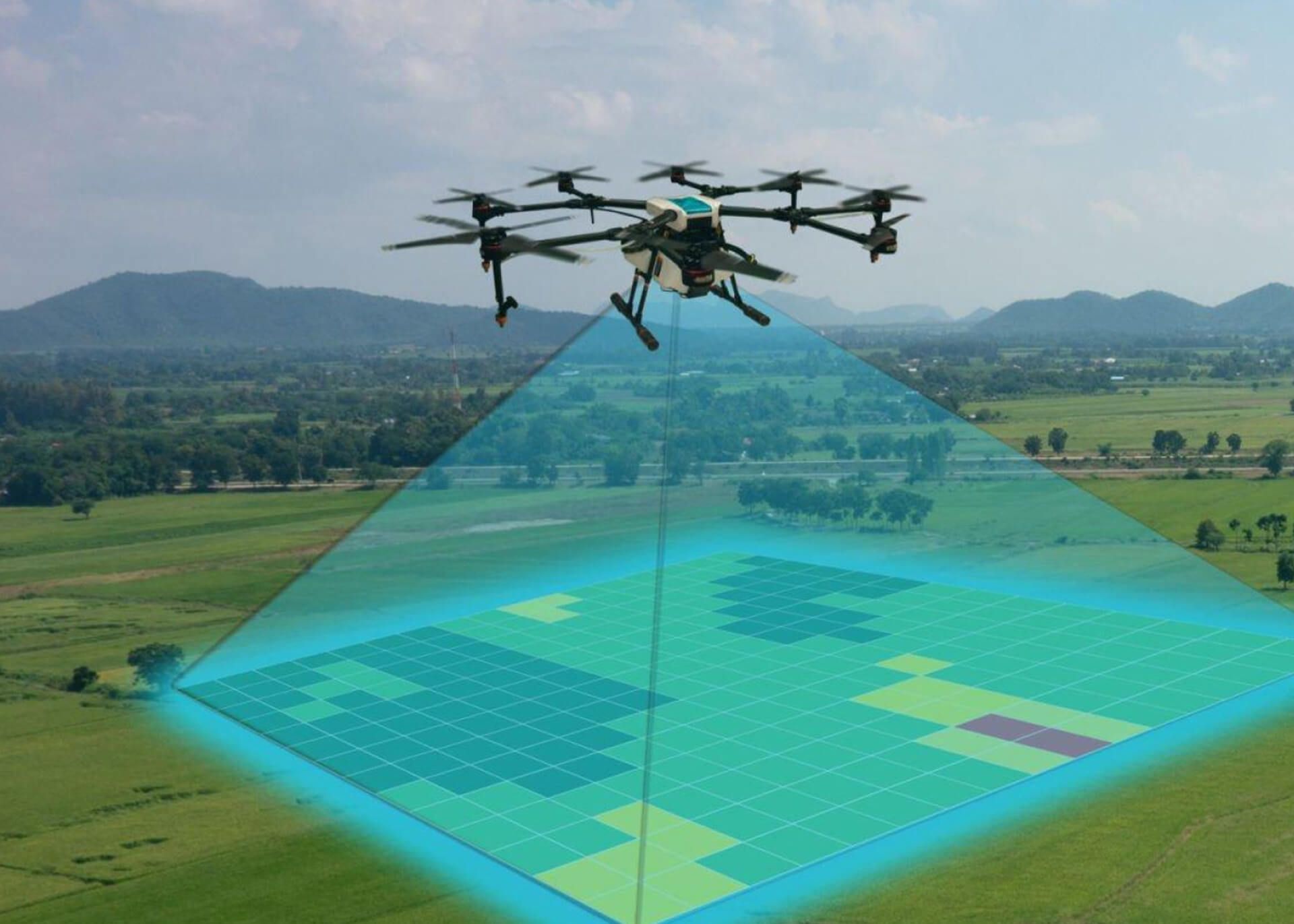
After data collection, specialized photogrammetry software processes the imagery to generate accurate deliverables. This includes orthomosaic maps, which are distortion-free aerial images where every pixel has real-world coordinates. We also create Digital Surface Models (DSMs) showing the top of everything on site, Digital Terrain Models (DTMs) representing bare ground after removing vegetation and structures, and detailed 3D models that provide comprehensive visual representations of the surveyed area.
The accuracy achieved through modern drone mapping technology is remarkable. With RTK-equipped drones and properly placed ground control points, we routinely deliver data accurate to within 1-2 centimeters horizontally and 2-3 centimeters vertically. This level of precision meets or exceeds the requirements for most engineering and construction applications.
Critical Pre-Construction Applications
Site Assessment and Feasibility Studies
Before committing to a project, developers and contractors need to understand existing conditions. Our drone surveys provide comprehensive site documentation that reveals topography, drainage patterns, vegetation density, existing infrastructure, and potential access routes. This information supports feasibility studies, zoning applications, and early design decisions.
We recently completed a pre-construction survey for a 50-acre industrial development site in Central Ohio. The aerial data identified two unmapped drainage channels and revealed grade variations that would have required significant earthwork modifications. These insights, captured in a single afternoon flight, allowed the engineering team to adjust their design before finalizing site plans, saving an estimated six weeks of schedule delays and substantial rework costs.
Accurate Earthwork Planning
Grading and earthwork represent major cost drivers in construction projects. Miscalculations lead to over-ordering materials, hauling excess dirt, or discovering insufficient quantities mid-project. Drone-generated terrain models provide the precise elevation data engineers need for cut-and-fill calculations, volume estimates, and earthwork planning.
Our orthomosaic maps overlay seamlessly with design plans in CAD and BIM software, allowing engineers to compare existing conditions against proposed grading. The 3D models we deliver enable teams to visualize finished grades, identify potential drainage issues, and optimize haul routes before equipment arrives on site.
Access and Logistics Planning
Getting equipment, materials, and workers to a job site safely and efficiently requires careful planning. Aerial mapping reveals existing access points, identifies potential staging areas, and documents surrounding infrastructure that may impact logistics.
For one Columbus-area highway project, our pre-construction drone survey documented every access point along a 3-mile corridor, identified overhead utility clearances, and mapped adjacent properties that would require coordination. This comprehensive visual record became the foundation for the project's traffic management and material delivery plan.
Environmental and Regulatory Compliance
Many Ohio construction projects require environmental impact assessments, wetland delineations, or documentation of protected areas. Our aerial surveys provide the baseline documentation needed for permit applications and regulatory compliance. High-resolution imagery captures existing vegetation, water features, and sensitive areas with a level of detail that supports informed environmental planning.
According to research published in Buildings, drone-based surveying and mapping offers significant benefits including efficient data collection, high accuracy, comprehensive visual information, and enhanced decision-making capabilities. These advantages prove especially valuable when projects require detailed environmental documentation or coordination with multiple regulatory agencies.
Utilities and Infrastructure Coordination
Knowing where existing utilities, roads, and infrastructure are located prevents costly conflicts during construction. Our pre-construction surveys document visible infrastructure and provide accurate spatial data that helps teams coordinate with utility providers, identify potential conflicts, and plan protective measures before excavation begins.
The ROI of Pre-Construction Drone Mapping
The return on investment for pre-construction drone mapping goes well beyond time savings. While capturing a 100-acre site in hours instead of weeks delivers obvious efficiency gains, the real value comes from better decision-making and risk mitigation.
1st Choice Aerials clients regularly report that early drone surveys prevent change orders, reduce disputes with subcontractors, and improve stakeholder communication. When everyone from the owner to the earthwork contractor is working from the same accurate, comprehensive site data, projects run smoother from the start.
Consider the cost of discovering a drainage problem after grading is complete or learning that your haul route cannot accommodate heavy equipment after mobilization. These issues, easily identified through pre-construction drone mapping, can derail schedules and inflate budgets significantly. The investment in upfront aerial data pays for itself many times over through avoided problems, optimized designs, and confident decision-making.
Deliverables That Support Your Workflow
We understand that raw data alone does not solve problems. Our pre-construction drone mapping services deliver formats that integrate directly into your existing workflows. This includes high-resolution orthomosaic maps compatible with AutoCAD, Civil 3D, and GIS software, 3D models that import into BIM platforms and visualization tools, digital elevation models in industry-standard formats, and annotated imagery with measurements, annotations, and clear documentation.
Every deliverable we provide comes organized, clearly labeled, and ready to use. We deliver files via Google Drive, hard drive, or your preferred method, ensuring your team can access and utilize the data immediately. Most projects are completed and delivered within 48 hours of flight completion.
Working with 1st Choice Aerials
Our team brings real-world experience from construction, engineering, aviation, and surveying backgrounds. We are not brokers or middlemen who subcontract work through multiple layers. When you work with 1st Choice Aerials, you are working directly with experienced professionals who understand construction planning, project timelines, and the decisions riding on accurate data.
We serve commercial, industrial, and construction clients throughout Ohio, with expanding coverage in Kentucky and Indiana. Our pilots hold FAA Part 107 certification, and we maintain full insurance coverage for commercial drone operations. We also manage all airspace authorizations, safety planning, and regulatory compliance, ensuring your project stays compliant from start to finish.
Whether you are evaluating a potential site, preparing for a major development, or planning infrastructure improvements, our pre-construction drone mapping in Ohio provides the actionable data you need to move forward with confidence.
Beyond Pre-Construction
While pre-construction planning represents one of the highest-value applications for drone mapping, the technology supports projects throughout the entire construction lifecycle. Teams that start with comprehensive pre-construction aerial data often continue using drone services for progress monitoring, site inspections, and documentation. The baseline data captured during pre-construction becomes a reference point for tracking earthwork progress, verifying construction accuracy, and documenting completion.
We also provide specialized services including thermal imaging for building envelope assessments and roof inspections, giving construction teams additional tools for quality control and problem identification.
Making Better Decisions from Day One
Pre-construction planning sets the foundation for project success. When teams have accurate, comprehensive site data before breaking ground, they make better decisions, reduce risks, and avoid costly surprises. Drone mapping has evolved from a novel technology to an essential tool that forward-thinking contractors, developers, and engineers rely on for competitive advantage.
At 1st Choice Aerials, we simplify complex projects and deliver data that saves time, reduces risk, and helps your team make smarter decisions. From initial site assessment through project completion, our drone services provide the visibility and insights that keep Ohio construction projects moving forward efficiently.
Frequently Asked Questions
How accurate is drone mapping for construction planning?
Modern drone mapping with RTK positioning achieves accuracy within 1-2 centimeters horizontally and 2-3 centimeters vertically, meeting or exceeding requirements for most engineering and construction applications. This level of precision is suitable for site planning, grading design, and volumetric calculations.
How long does a pre-construction drone survey take?
Flight time depends on site size and complexity, but most surveys are completed in hours rather than days or weeks. A typical 50-acre site can be captured in a single afternoon, with processed deliverables available within 48 hours. This represents a 60-70% time reduction compared to traditional ground-based surveying methods.
What deliverables do I receive from a pre-construction drone survey?
Standard deliverables include high-resolution orthomosaic maps, 3D terrain models, Digital Surface Models (DSMs), Digital Terrain Models (DTMs), and annotated imagery. All files are provided in industry-standard formats compatible with CAD, BIM, and GIS software used by engineers and architects.
Can drone mapping identify underground utilities?
Drone mapping documents visible surface features and infrastructure but cannot detect underground utilities. However, accurate aerial data provides essential context for coordinating with utility providers and planning subsurface investigations during the pre-construction phase.
Do I need special permits for construction drone surveys in Ohio?
Licensed drone operators handle all necessary airspace authorizations and regulatory compliance. However, site-specific requirements may vary based on location, proximity to airports, and local regulations. We manage this process as part of our pre-construction drone services.
How does drone mapping cost compare to traditional surveying?
While project costs vary based on size and complexity, drone mapping typically costs 30-50% less than traditional surveying methods while delivering more comprehensive data in significantly less time. The real savings come from preventing costly issues through early detection and better planning.
What weather conditions are required for drone surveys?
Safe drone operations require dry conditions, winds below 25 mph, and adequate visibility. Rain, heavy fog, and high winds prevent flying. We monitor weather forecasts closely and schedule flights during optimal conditions to ensure data quality and safe operations.
Ready to See What Your Site Really Looks Like?
Stop guessing about site conditions and start planning with confidence. Our pre-construction drone mapping services give you the accurate, comprehensive data you need to make smart decisions from day one. Whether you are evaluating a potential development site, planning a major industrial project, or preparing for infrastructure improvements across Ohio, we deliver the actionable insights that keep your project moving forward.
Contact 1st Choice Aerials today to discuss your pre-construction planning needs. Our team is ready to capture your site, process the data, and deliver project-ready deliverables that support confident decision-making. Let us help you build smarter from the ground up.