Most Common Commercial Drone Requests in Ohio
What We're Hearing From Ohio Businesses Right Now
Every week, we get calls from property managers, contractors, and facility owners across Ohio asking some version of the same question: what can a drone actually do for my project? It's a fair question. The industry has grown fast, and a lot of the marketing out there is vague on specifics.
So we thought it would help to break down what we're actually being asked to do, based on real project requests coming through our office. Some of it will surprise you. Some of it is exactly what you'd expect.
Key Takeaways
- Roof and facade inspections remain the single most requested service among Ohio commercial clients.
- Thermal imaging requests have grown quickly, especially for moisture and electrical issues that aren't visible to the naked eye.
- Construction firms increasingly want recurring aerial mapping instead of one-time flights.
- Industrial clients ask for drone inspections mainly to avoid the cost and risk of scaffolding or lift equipment.
- Many Ohio businesses are moving away from broker platforms and looking for pilots who work directly with them.
- FAA Part 107 certification is a legal requirement for any commercial drone operation in the United States.
Roof and Facade Inspections Top the List
If we had to name the single most common request, it's roof and facade work. Property managers want to know the condition of a membrane before it fails. Insurance adjusters want documentation after a storm. Contractors want proof of workmanship before they hand a project over.
Traditional roof inspections mean sending someone up a ladder, or worse, renting a lift for a building that's four or five stories tall. That gets expensive fast, and it puts a person at height, which is exactly the kind of exposure OSHA's fall protection standard was written to reduce. OSHA's Subpart M rules require specific protections any time a worker is exposed to a fall hazard, and a flat commercial roof crosses that threshold immediately.
A drone flight covers the same roof in a fraction of the time, with nobody standing on the surface. Our commercial roof and facade inspection services are built around exactly this use case. We fly the structure, flag anything that looks off, and hand over organized imagery your team or your insurer can actually use.
Thermal Requests Are Catching Up Fast
Thermal imaging used to be a niche add-on. Not anymore. We're seeing a steady rise in requests for infrared scans, and honestly, it makes sense once you understand what the technology can find.
A standard camera shows you what a roof looks like. A thermal camera shows you what's happening underneath it. Trapped moisture, failing insulation, and electrical hot spots all show up as temperature differences that are invisible otherwise.
What Ohio Clients Are Asking Thermography to Find
Most of our thermal requests fall into three buckets:
- Roof moisture intrusion on large flat commercial roofs, where a leak can hide for months before it's obvious from inside the building
- Solar panel hot spots, since underperforming modules run hotter than healthy ones
- Electrical hot spots in panels, transformers, and connections, which can be an early warning sign of a fire risk
Our thermal drone inspection services cover all three, and our team holds Level 1 sUAS thermography certification, which matters more than people realize. Reading a thermal image correctly takes training. Two spots that look identical in color can mean very different things depending on the material, the weather, and the time of day the scan was taken.
Construction Progress Monitoring and Mapping
Construction firms don't usually ask for a single flight anymore. They ask for a schedule.
Weekly or monthly flyovers have become the norm for active job sites, and it's easy to see why. A general contractor managing a multi-phase project wants documented proof of progress they can show owners, lenders, and inspectors without arguing about it later. One flight a week gives them that.
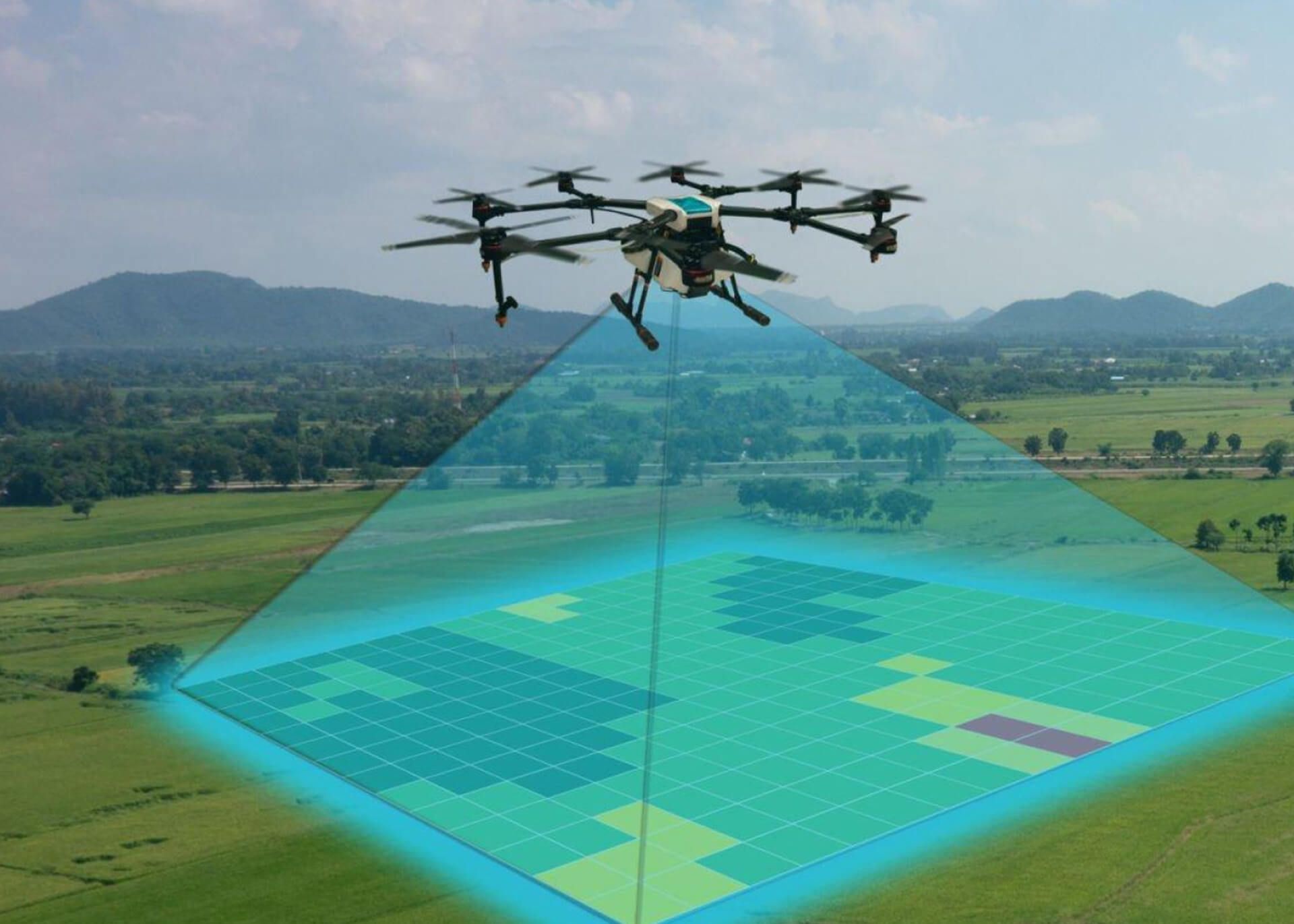
This ties directly into our construction drone services, where we handle everything from site surveys and volumetric measurements to ongoing progress tracking. It also connects to our drone mapping and 3D modeling work, which turns raw flights into orthomosaic maps and models that engineers and project managers can actually measure against.
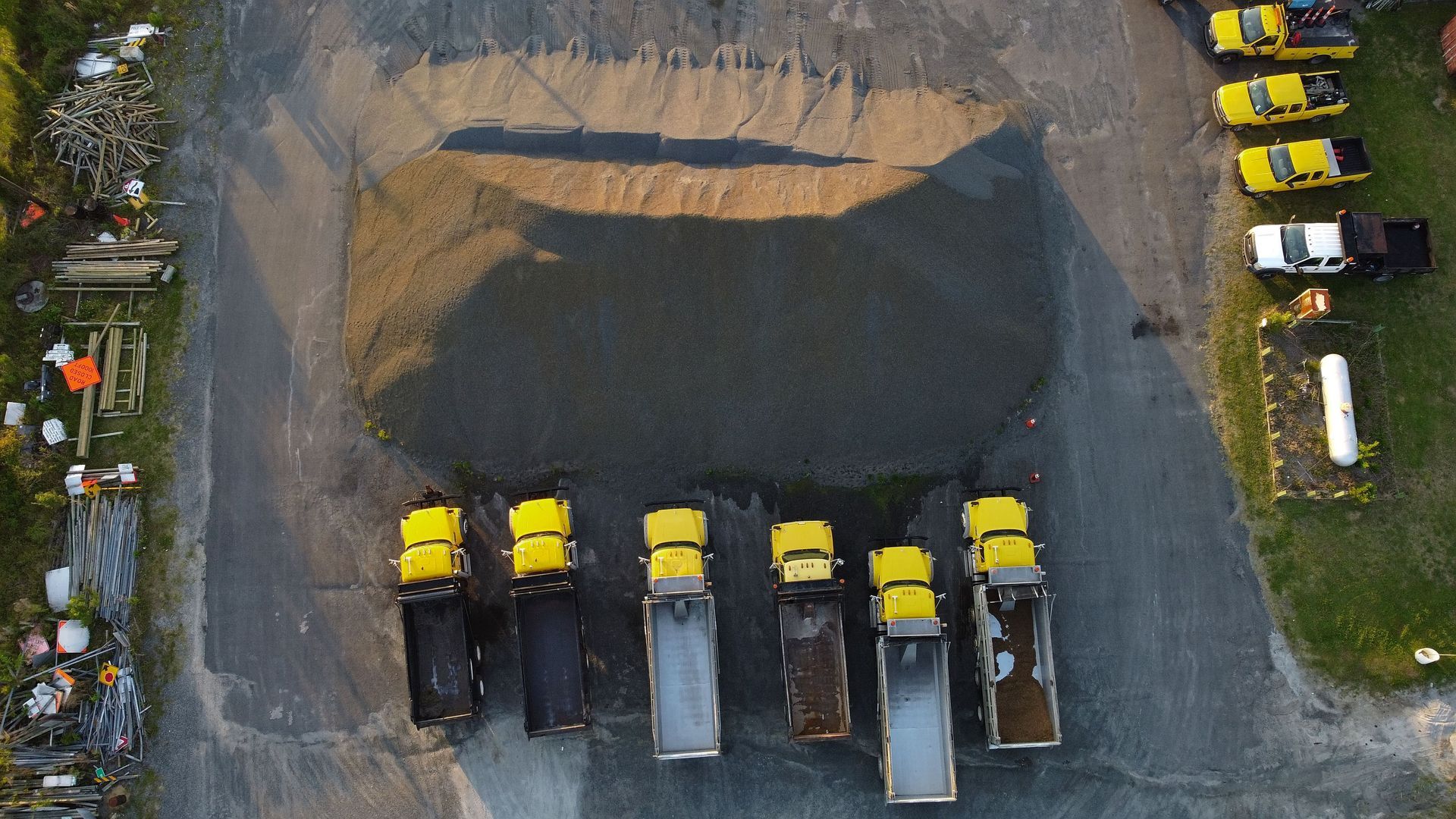
Stockpile volume checks deserve a mention here too. Verifying how much material is sitting on-site sounds mundane, but it directly affects billing disputes and material planning. A drone flight and a few minutes of processing can settle a disagreement that would otherwise take a survey crew half a day.
Industrial and Asset Inspections
Warehouses, storage tanks, cell towers, and manufacturing facilities generate a different kind of request. These clients aren't usually worried about aesthetics. They want to know if a structure is safe, and they want to avoid shutting down operations to find out.
Traditional industrial inspections often mean scaffolding, confined-space entry, or taking equipment offline. None of that is cheap, and none of it is fast. A drone flight can capture the same visual data without the shutdown, which is why our industrial inspection services have become a regular part of preventive maintenance programs for facility managers across the state.
Anyone flying these missions commercially has to hold an FAA Part 107 Remote Pilot Certificate. It's not optional, and it's worth asking any drone provider you're considering whether their pilots actually hold it.
Why So Many Ohio Businesses Want to Work With Us Directly
Here's something we don't think gets talked about enough. A lot of drone work in this industry gets routed through broker platforms that win the job, then subcontract it out, sometimes two or three layers deep before it reaches an actual pilot.
That model creates problems. Communication gets diluted. Quality control varies from job to job because you never know which subcontractor actually shows up. And pricing gets padded to cover everyone in the chain.
We built 1st Choice Aerials around the opposite approach. We work directly with property owners, contractors, and facility managers, not through brokers. Our team includes people with real backgrounds in construction, aviation, engineering, and public safety, which means we understand what you're actually trying to accomplish with the data, not just how to fly a drone. That direct relationship is what lets us turn projects around fast and keep communication clear from the first call to final delivery.
What This Means If You're Planning a Project
If you're weighing whether a drone makes sense for your next inspection or project, the pattern above is a useful guide. Roof condition, thermal anomalies, construction documentation, and industrial access all point to the same underlying benefit: getting accurate data without putting a person at risk or shutting down your operation.
Not every project needs every service. A small retail roof might just need a visual flyover. A 100,000 square foot warehouse with an aging electrical system might need a full thermal scan. The right approach depends on your building, your budget, and what decision you're actually trying to make with the results.
Ready to Talk About Your Ohio Drone Project?
If you've read this far, you probably have a specific building, site, or asset in mind. Reach out and tell us about it. We'll walk through what makes sense for your project, explain pricing, and give you a realistic timeline, no broker, no middleman, just our team talking directly with you.
Contact 1st Choice Aerials to get started.
Frequently Asked Questions
What is the most common drone service requested in Ohio?
Roof and facade inspections are the most frequently requested service among commercial clients, followed closely by thermal imaging and construction progress monitoring.
Do I need a licensed pilot for commercial drone work?
Yes. Anyone operating a drone for compensation in the United States must hold an FAA Part 107 Remote Pilot Certificate. It's worth confirming this directly with any provider before hiring them.
How much does a commercial drone inspection cost in Ohio?
Pricing depends on the size of the property, the type of inspection, and the deliverables you need. Most providers offer custom quotes rather than flat rates, since a small roof and a 100,000 square foot warehouse aren't priced the same way.
Can drone thermography really detect roof leaks?
In most cases, yes. Thermal cameras detect temperature differences between wet and dry areas of a roofing membrane, which often reveals moisture intrusion long before it's visible from inside the building.
How often should a commercial property schedule drone inspections?
Many facility managers schedule inspections annually as part of routine maintenance, with additional flights after major storms or before insurance renewals. Solar arrays and electrical systems sometimes need more frequent monitoring.
Do drone inspections require shutting down a facility?
Generally speaking, no. One of the main advantages of drone inspections is that they can be performed from above without taking equipment offline or restricting site access.
What areas does 1st Choice Aerials serve?
We're based in Ohio and serve commercial and industrial clients statewide, with expanding coverage into Kentucky and Indiana.