How to Track Earthwork Progress Using Drone Volumetric Reports
Key Takeaways:
- Drone volumetric reports provide accurate cut and fill calculations, typically within 1-3% accuracy when using proper ground control points
- Regular aerial surveys eliminate manual measurement errors and reduce the time needed for earthwork progress tracking by up to 75%
- Volumetric data helps construction teams balance material movement, reducing hauling costs and preventing costly import or export surprises
- Ohio construction projects benefit from faster turnaround times and better documentation for progress billing and stakeholder communication
- Working with experienced drone operators who understand construction workflows ensures data you can actually use for decision-making
If you manage construction projects in Ohio, you know earthwork tracking can make or break your schedule and budget. Traditional surveying methods are slow, labor-intensive, and often leave gaps in your data. You need to know exactly how much dirt has been moved, where it went, and whether you are on track with your grading plan.
That's where drone volumetric reports come in. We've seen firsthand how accurate aerial data transforms earthwork management for commercial and industrial construction projects across Ohio. Instead of waiting days for survey crews to manually measure your site, you get comprehensive volumetric analysis within hours of a drone flight.
What Are Drone Volumetric Reports?
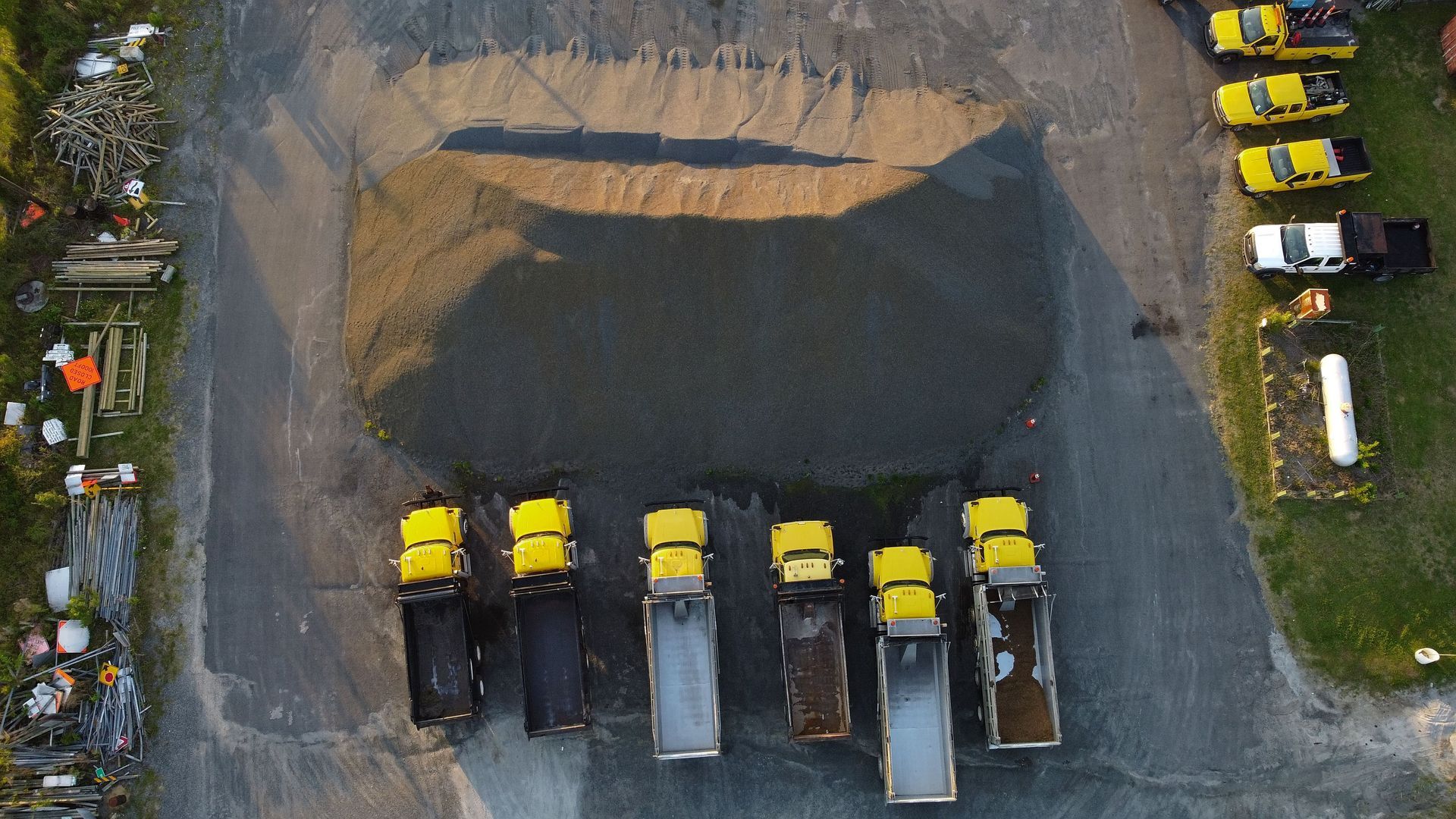
Drone volumetric reports use aerial imagery processed through specialized software to calculate the volume of material that has been cut from higher areas or filled into lower areas of your construction site. These reports provide precise measurements of stockpiles, excavations, and grading progress without requiring anyone to physically walk the site with surveying equipment.
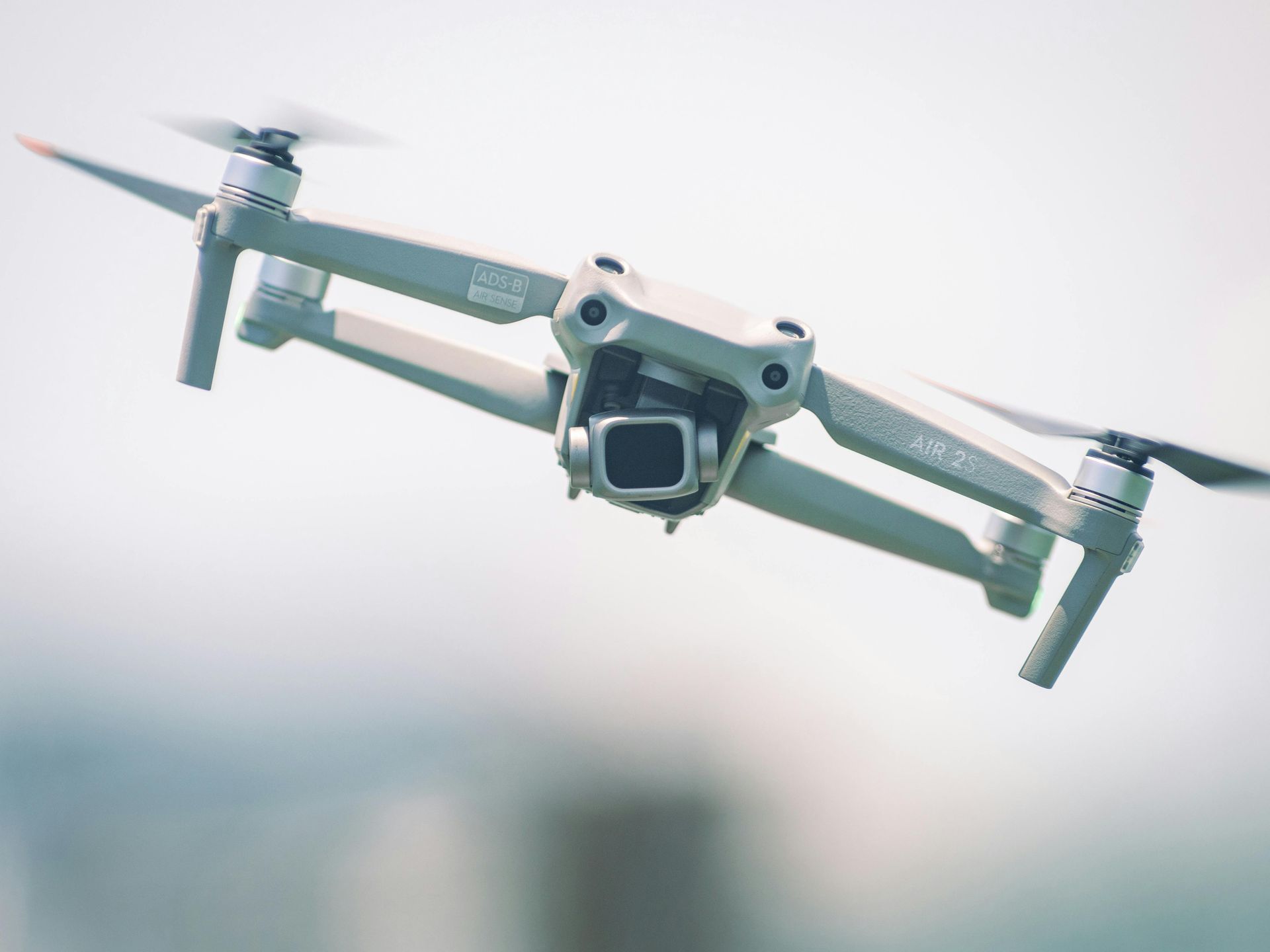
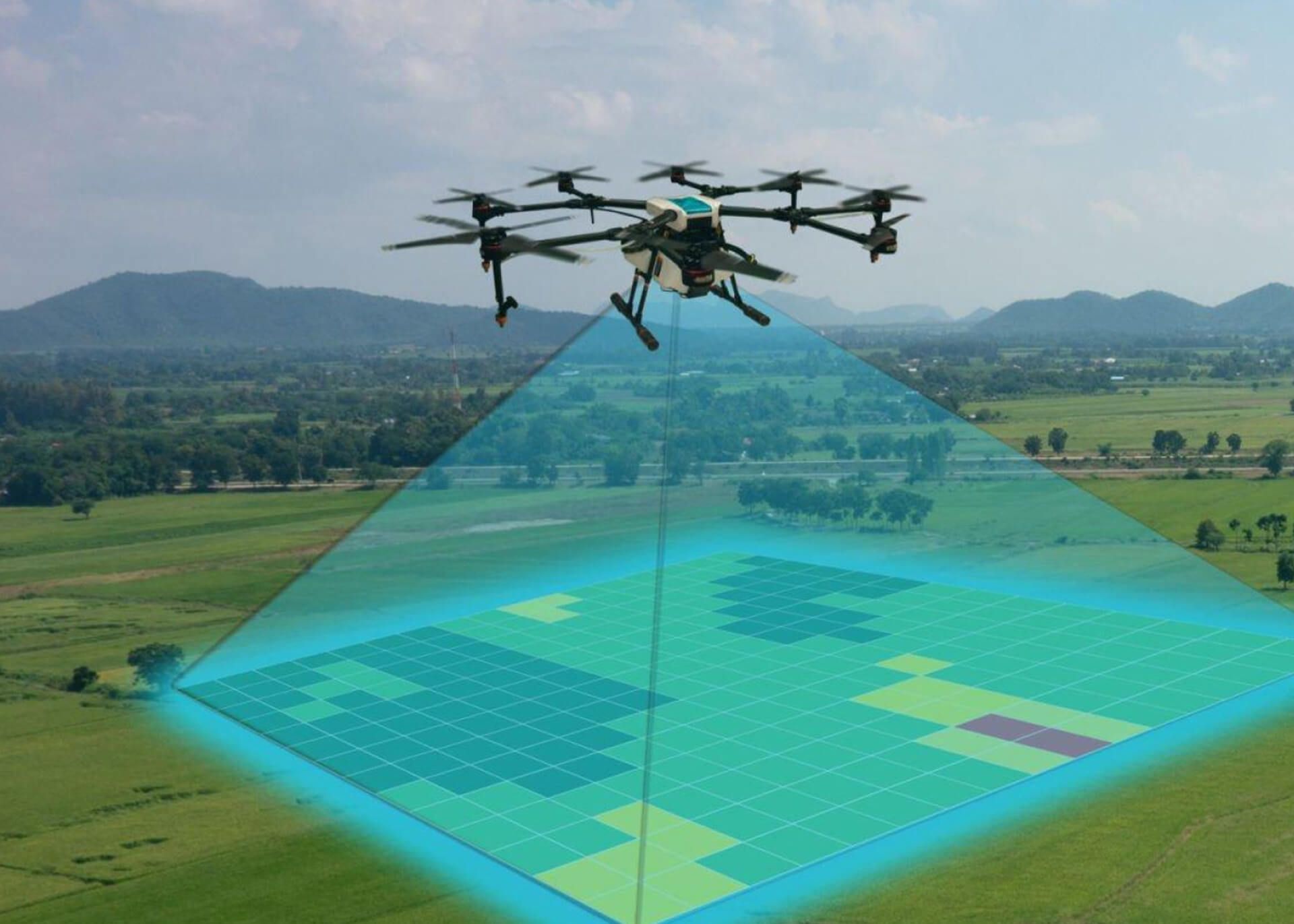
The process works through photogrammetry, where the drone captures hundreds of overlapping images from multiple angles. Software then processes these images to create a detailed 3D model of your site, measuring elevation changes down to the centimeter. According to industry research, drone-based volumetric surveys can achieve accuracy levels of 98-99% when proper techniques are applied.
For construction projects throughout Cincinnati, Columbus, Dayton, and the rest of Ohio, this level of precision means you can confidently track material quantities for progress billing, verify contractor work, and make informed decisions about material management.
The Earthwork Progress Tracking Process
When we work with construction clients on drone mapping and aerial surveys, the volumetric tracking process follows a clear workflow designed to deliver actionable data.
First, we establish a baseline by conducting an initial site survey before earthwork begins. This creates your reference point for all future measurements. We capture comprehensive aerial imagery of the entire project area, paying special attention to areas where significant grading or excavation will occur.
As your project progresses, we return on a schedule that matches your reporting needs, whether that's weekly, bi-weekly, or monthly. Each flight follows the same flight path and parameters to ensure consistent data collection. This consistency matters because it allows for accurate comparison between survey dates.
After each flight, our team processes the imagery to generate 3D point clouds, digital elevation models, and orthomosaic maps. The software compares your current site conditions against the baseline survey or your design plans, automatically calculating cut and fill volumes across the entire site.
The final deliverable is a comprehensive volumetric report that breaks down material movement by zone, shows cumulative progress, and highlights any areas where actual conditions differ from your plans. You receive this data in formats that integrate easily with your project management tools, whether that's PDF reports for stakeholders or CAD-compatible files for your engineering team.
Understanding Cut and Fill Calculations
Cut and fill calculations form the foundation of earthwork economics. Cut refers to soil excavated from higher areas of your site, while fill describes material placed in lower areas to achieve your target grade. Balanced earthwork occurs when the volume of cut material equals the volume of fill needed, minimizing the need to import or export dirt.
Drone volumetric reports make these calculations faster and more accurate than traditional methods. Instead of relying on sparse cross-sections or grid-based spot elevations, the aerial data captures every square foot of your site. This comprehensive coverage reveals localized highs and lows that manual surveys often miss, preventing surprises that can blow your earthwork budget.
The reports clearly show where material has been removed, where it's been placed, and how much remains to be moved. For projects with multiple phases or separate work areas, the data can be segmented to track progress by contractor, by phase, or by any other breakdown that matches your management needs.
Key Benefits for Ohio Construction Projects
Ohio construction sites face unique challenges from variable terrain, weather-dependent schedules, and the need to move quickly once conditions allow. Drone volumetric reports address these challenges in several ways.
Speed is the most immediate advantage. Where traditional surveying might take days to set up, collect data, and process results, our construction drone services can survey a large site in under an hour, with processed deliverables ready within 48 hours. This rapid turnaround means you can track progress weekly without disrupting field operations.
Accuracy improvements protect your budget. Manual earthwork measurements involve assumptions and extrapolations that introduce error. Drone data eliminates these assumptions by measuring the actual surface across your entire site. According to construction industry standards, even small errors in volume calculations can result in costly material handling mistakes or disputes over progress billing.
Safety benefits shouldn't be overlooked. Surveyors don't need to work around active equipment or navigate unstable slopes to collect data. The aerial approach keeps people out of hazardous areas while still capturing the measurements you need.
Documentation value extends beyond just tracking current progress. The 3D models and imagery provide a complete visual record of your site at each survey date. This documentation proves invaluable for resolving disputes, supporting change orders, or demonstrating compliance with environmental regulations.
What Your Volumetric Report Should Include
A comprehensive volumetric report from 1st Choice Aerials includes several key components that support informed decision-making.
The summary section presents total cut and fill volumes, net change from the baseline, and cumulative progress toward your target grades. These top-line numbers give project managers and stakeholders a quick understanding of where the project stands.
Detailed breakdowns segment the data by work area, phase, or any other boundaries relevant to your project. This granularity helps identify problem areas quickly. If one zone is behind schedule or showing unexpected volume differences, you can focus resources there before it impacts the overall timeline.
Visual elements make the data accessible to everyone on your team. Color-coded cut and fill maps clearly show where material has been removed (typically displayed in red) and where it's been placed (typically green). These maps overlay directly onto your site plans, making it easy to see how actual conditions compare to your design.
3D models and cross-sections provide additional context.
Stakeholders can view the site from any angle, and engineers can extract precise elevation data from any location. For teams using construction mapping services, this 3D data integrates seamlessly with project planning tools.
Progress comparisons between survey dates show the rate of earthwork over time. This trending data helps predict when phases will complete and whether current production rates will meet your schedule.
Real Applications in Construction
Volumetric reports support multiple aspects of construction management throughout Ohio projects.
Material management becomes straightforward when you have accurate stockpile measurements. You know exactly how much material is on site, whether it's enough to complete upcoming work, and when you'll need additional deliveries. For projects reusing excavated material, the reports verify that cut quantities match fill requirements, preventing expensive last-minute trucking.
Progress billing gains objectivity with documented quantities. Rather than relying on visual estimates or manual measurements that contractors might dispute, the aerial data provides an independent record that all parties can trust. Many of our construction clients use these reports directly in their pay applications.
Quality control improves when you can compare as-built conditions to design grades throughout the project. Rather than waiting until final grading to discover problems, you identify deviations early when corrections are less expensive. The reports highlight areas where grades differ from plans, allowing timely adjustments.
Project documentation serves multiple audiences. Owners want proof of progress. Engineers need data for ongoing design decisions. Inspectors require evidence of compliance. Environmental agencies may need erosion and sediment control verification. A single volumetric survey provides documentation that satisfies all these needs.
Choosing the Right Drone Service Provider in Ohio
The quality of your volumetric reports depends heavily on who's collecting and processing the data. Several factors separate professional commercial drone services from basic aerial photography.
Experience with construction workflows matters significantly. A pilot who understands earthwork can anticipate what data you'll need and how to capture it effectively. They know to watch for drainage issues, equipment access problems, and other site conditions that impact construction. We bring backgrounds from construction, engineering, and surveying to every project, not just drone operation experience.
Equipment capabilities determine data quality. Professional-grade drones with high-resolution cameras and RTK positioning systems deliver the accuracy construction projects require. The difference between consumer and commercial equipment shows up clearly in the precision of volume calculations.
Direct service versus broker relationships affects reliability and accountability. We work directly with property owners, contractors, and project teams throughout Ohio, Indiana, and Kentucky. You communicate directly with the team capturing and processing your data, ensuring nothing gets lost in translation through multiple handoffs. This direct relationship also means faster turnaround times and the flexibility to adapt to your project's specific needs.
Processing capabilities and software expertise separate basic aerial photos from actionable construction data. The software and workflow for generating accurate volumetric reports requires specialized knowledge. Poor processing can introduce errors that make the data unreliable, defeating the entire purpose of using drones.
Get Started with Volumetric Progress Tracking
If you're ready to implement drone volumetric tracking on your Ohio construction project, the process is straightforward. Start by identifying your reporting frequency based on project size and earthwork intensity. Large projects with rapid material movement benefit from weekly surveys, while smaller sites might need only monthly monitoring.
Establish clear project boundaries and coordinate with your design team to provide reference files. The more information we have about your target grades and design surfaces, the more useful the comparative analysis becomes.
Consider timing your first survey before earthwork begins to establish a comprehensive baseline. This initial survey becomes your reference point for measuring all future progress and calculating cumulative quantities.
Plan to integrate the volumetric data into your existing project management workflow. Discuss with your team how reports will be reviewed, who needs access to the data, and how findings will trigger decisions or actions on site.
1st Choice Aerials provides commercial drone services for construction progress tracking throughout Ohio, with expanding coverage in Kentucky and Indiana. Our team's backgrounds in construction, engineering, and surveying mean we understand what data matters for your project decisions. We don't just fly drones and deliver raw images. We process aerial data into clear, project-ready deliverables that support construction planning, progress tracking, inspections, and asset management.
Whether you need one-time volume measurements or ongoing construction monitoring, our drone mapping services deliver accurate, actionable data that helps your team reduce risk, improve efficiency, and make confident decisions. We work directly with contractors and property owners, ensuring faster turnaround times, consistent quality, and clear communication from start to finish.
Frequently Asked Questions
How accurate are drone volumetric measurements compared to traditional surveying?
Drone volumetric surveys typically achieve accuracy within 1-3% when using proper ground control points and professional-grade equipment with RTK positioning. This level of precision is suitable for most commercial construction applications and often exceeds the accuracy of traditional sparse-grid manual measurements. The comprehensive coverage of drone data actually provides more reliable results than extrapolating from limited survey points.
How often should we conduct volumetric surveys during a construction project?
Survey frequency depends on your project size and rate of earthwork activity. Large projects with active grading typically benefit from weekly or bi-weekly surveys to track progress and catch issues early. Smaller projects or slower-moving phases may only need monthly monitoring. Projects with performance-based contracts or strict milestone requirements often schedule surveys to align with payment periods or phase completions.
Can drone volumetric data integrate with our existing project management software?
Yes, volumetric data can be delivered in formats compatible with most construction software platforms. Standard deliverables include PDF reports for general distribution, GeoTIFF files and LAS point clouds for GIS and CAD programs, and CSV data files for importing into spreadsheets or databases. The orthomosaic maps and 3D models can overlay directly onto project plans in programs like AutoCAD Civil 3D, Trimble, or other industry-standard tools.
What weather conditions affect drone volumetric surveys?
Ideal conditions include overcast but dry weather, as even lighting produces the most accurate photogrammetry results. We can fly in light wind conditions and varied cloud cover, but heavy rain, snow, or high winds prevent safe drone operations. Dense fog significantly reduces visibility and data quality. For projects on tight schedules, we monitor weather forecasts closely and maintain flexibility to capture data when conditions allow.
Do we need to prepare the site before a drone volumetric survey?
Minimal site preparation is required. For maximum accuracy, ground control points should be placed before the survey flight, though RTK-equipped drones can achieve excellent results without them. Active equipment should pause in areas being surveyed to avoid motion blur, but brief stoppages are sufficient. The site doesn't need to be cleared or specially prepared, as the drone captures conditions as they exist. Communicate any restricted airspace or safety concerns before the survey date.
How do volumetric reports handle material density differences between cut and fill?
Volumetric reports calculate volumes based on spatial measurements of cut and fill areas. The reports present these volumes in cubic yards or cubic meters. Material density differences, shrink and swell factors, and compaction ratios are typically applied during engineering analysis rather than in the raw volume calculations. Your project team can apply appropriate adjustment factors based on soil types and project specifications. Professional reports include notes about these considerations to prevent misinterpretation of the raw volume data.
What's the difference between photogrammetry and LiDAR for volumetric calculations?
Both technologies can produce accurate volumetric data, but each has advantages in different situations. Photogrammetry uses overlapping photos to create 3D models and works well for most construction sites with good visibility and even lighting. LiDAR uses laser pulses to measure distances and excels in areas with dense vegetation, steep slopes, or challenging lighting conditions. For standard earthwork tracking on open construction sites, photogrammetry provides excellent results at lower cost. Your drone service provider can recommend the appropriate technology based on your site conditions.
Ready to implement accurate earthwork tracking on your Ohio construction project? Contact 1st Choice Aerials to discuss your volumetric reporting needs. Our experienced team delivers construction-ready data that supports better decisions, reduces project risk, and keeps your earthwork on schedule and within budget.