How Thermal Inspections Help Reduce Energy Loss in Ohio Buildings
Key Takeaways
- Air leakage alone can account for 25% to 40% of a commercial building's heating and cooling energy costs, according to the U.S. Department of Energy
- Ohio's long heating season makes building envelope performance one of the most significant factors in annual utility spending
- Drone thermal inspections cover large commercial rooftops and building facades without shutting down your facility or requiring roof access
- Thermal imaging surfaces hidden moisture, insulation failures, air leaks, and electrical hot spots that standard visual inspections routinely miss
- Catching these issues early is almost always far less expensive than waiting for them to escalate into structural damage or emergency repairs
Energy is one of the largest ongoing operating costs for commercial property owners and facility managers in Ohio. What most people don't realize is that a substantial portion of what they're spending each month is leaving the building through problems they've never actually seen — degraded insulation, trapped moisture under roofing membranes, and air moving freely through gaps in the building envelope.
That's exactly what thermal inspections are designed to find.
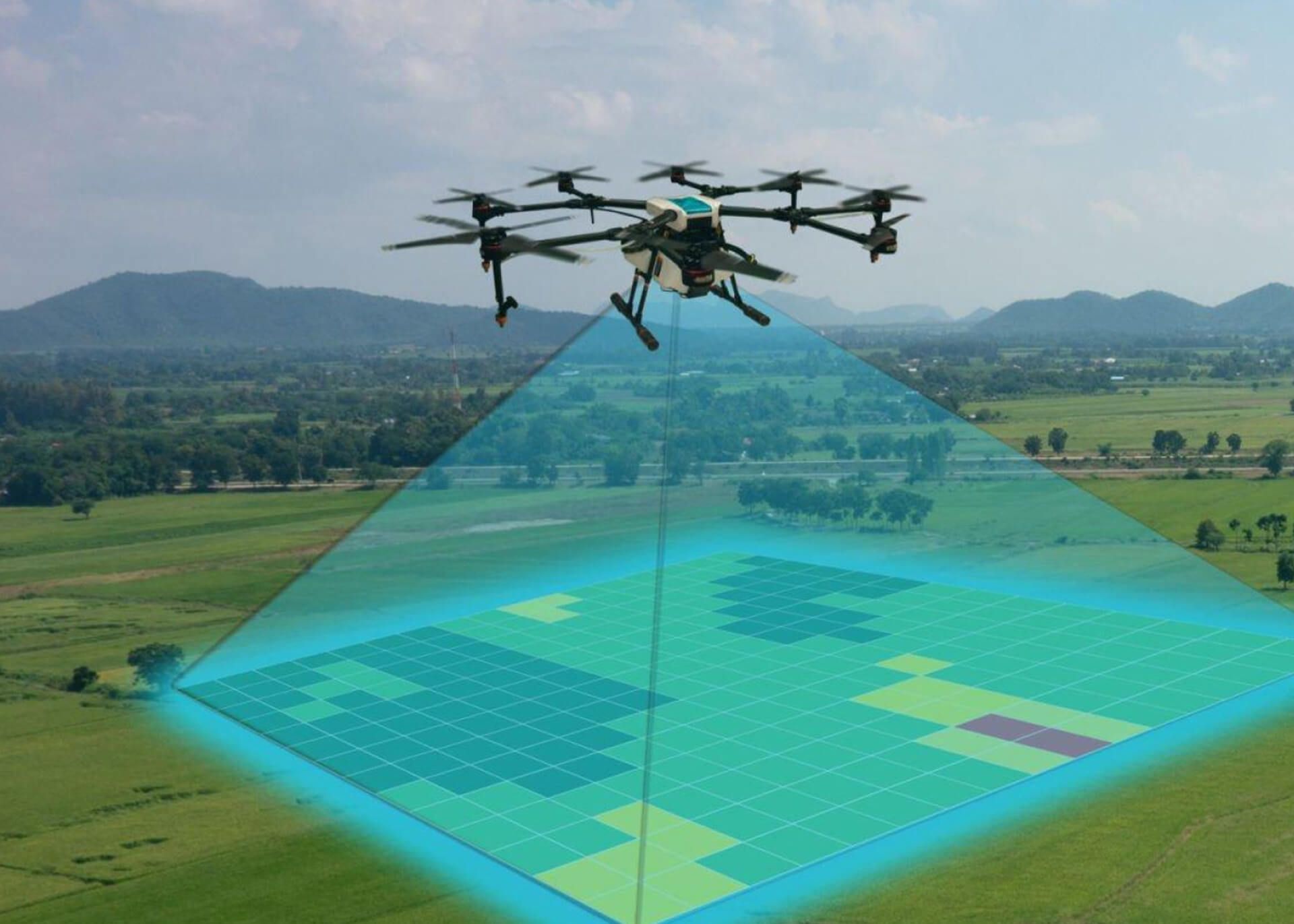
We use drone-mounted infrared cameras to scan commercial buildings and identify where energy is actually escaping. The thermal data doesn't guess and neither do we. This article explains what the technology typically uncovers, why Ohio buildings are particularly vulnerable, and what a professional drone thermal inspection looks like in practice.
Why Ohio's Climate Makes Energy Loss Especially Costly
According to the U.S. Energy Information Administration, space heating accounts for roughly 32% of the energy consumed by commercial buildings across the U.S. In Ohio, where heating season runs long and winters put real stress on building systems, that number hits hard for facility managers carrying aging or unverified building envelopes.
A building envelope that isn't performing means you're conditioning air and then losing it — fast.
The U.S. Department of Energy estimates that air leakage alone accounts for 25% to 40% of the energy used for heating and cooling in buildings. For a large Ohio warehouse, manufacturing facility, or office complex, that can represent tens of thousands of dollars per year in energy that's simply walking out the door. And most of it is invisible, which is why so many properties carry these losses for years without addressing them.
What Thermal Imaging Actually Detects
Infrared cameras measure surface temperature differences. When there's moisture trapped under a roofing membrane, insulation that's shifted, or conditioned air pushing through a gap in a wall assembly, that area holds and releases heat differently than the surrounding materials. Those differences show up clearly in the thermal image — often as distinct, well-defined zones that are hard to miss once you know how to read them.
So what do we typically find during aerial thermography inspections of Ohio commercial buildings?
- Roof membrane sections with trapped moisture, often spread across large areas that look completely normal from ground level
- Insulation that has settled, compressed, or degraded, creating consistent heat loss paths through walls and ceiling assemblies
- Air infiltration points around HVAC curbs, roof penetrations, window frames, and expansion joints that aren't visible during a standard walkthrough
- Thermal bridging through structural elements conducting heat directly through the building envelope
- Electrical hot spots in panels, transformers, or distribution equipment that signal overloading or component failure before a larger problem develops
Each of these findings carries two implications. There's the immediate energy cost — what you're losing right now on every utility bill. And there's the longer-term maintenance trajectory, because most of these issues don't stabilize on their own. They get worse.
Why Drones Make Thermal Inspections Far More Practical for Commercial Properties
Traditional thermal inspections on large commercial properties are slow and logistically complicated. Getting a thermographer and access equipment onto a 100,000-square-foot flat roof takes time, coordination, and often requires operational interruptions. It's not practical for routine monitoring, which is exactly why so many facilities only get inspected once something has already gone wrong.
A drone changes that entirely.
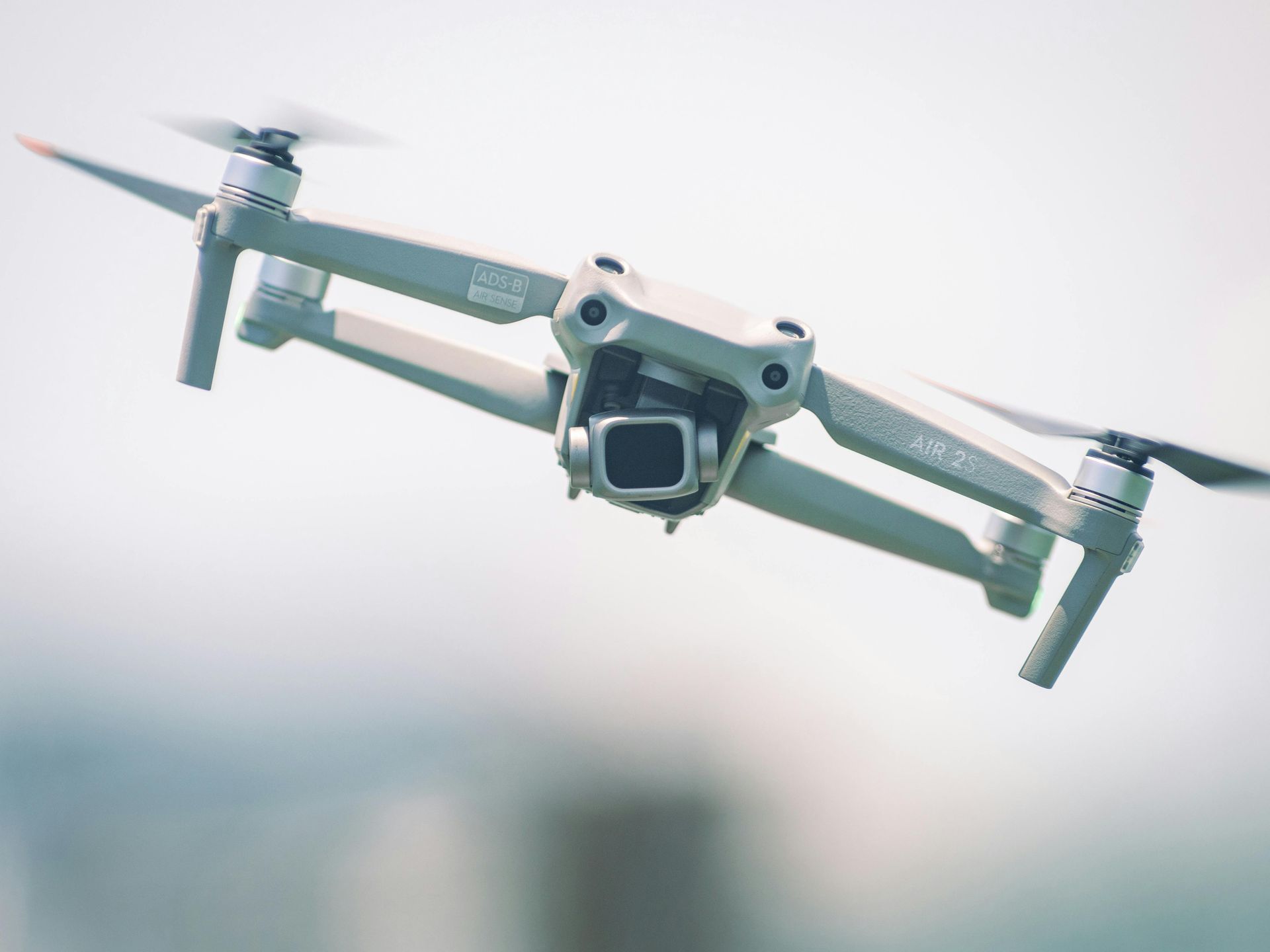
Our FAA-certified pilots and Level 1 sUAS-certified thermographers can cover large commercial rooftops and building facades in a fraction of the time, without any scaffolding, lift equipment, or roof access. Your facility stays operational while we collect data from above. We fly, capture both thermal and RGB imagery simultaneously, and deliver organized reports with annotated findings your team can act on. Because drone inspections are efficient enough to schedule routinely, it's also realistic to build a comparison baseline across multiple inspection cycles — something traditional methods make very difficult to do at scale.
We've completed commercial drone inspections across Ohio for warehouses, apartment complexes, shopping centers, and industrial facilities. In multiple cases, the thermal scan identified significant moisture intrusion on the opposite side of the roof from where the facility manager expected any problems to be. That's not unusual. These issues don't announce themselves.
Which Ohio Properties Are Most at Risk?
Not every building carries the same exposure, but certain situations make a thermal inspection especially practical.
Older Flat Commercial Roofs
Flat and low-slope roofs are everywhere in Ohio's industrial and commercial building stock, and they're among the most susceptible to moisture intrusion. Once water gets beneath the membrane — through a failed seam, a flashing detail, or a penetration — it soaks into the insulation below. Wet insulation loses thermal resistance. You're paying for performance you're no longer getting. Thermal imaging reveals these wet zones clearly, helping pinpoint both the spread of moisture and the likely entry point so repairs can be targeted rather than speculative.
Buildings with Aging or Unverified Insulation
A lot of Ohio's commercial real estate is older. If your building was constructed before modern energy codes were widely adopted, the insulation may have been adequate at the time but is likely underperforming today — especially if it's never been verified. Settled insulation in walls, compressed batt in roof assemblies, and degraded spray foam at penetrations all show up on thermal imagery as elevated heat loss. Knowing exactly where it's happening lets your team focus resources on the areas that actually need attention.
Facilities Where Energy Costs Have Crept Up Without a Clear Reason
Are your utility bills higher than they should be for a building of your size? That's often the first sign that something in the building envelope is no longer performing as expected. A thermal inspection gives you the data to confirm where losses are occurring — or rule out the envelope entirely if the issue lies somewhere else.
Active Construction and Renovation Projects
We also work with construction teams to verify building envelope performance at key project milestones. If you've recently re-roofed, added insulation, or modified a wall assembly, a thermal scan can confirm that the work is performing the way it should. It's a practical quality control step that's easy to skip when a project is wrapping up but valuable to have on record. Our construction drone services in Ohio include thermal inspection as a complement to site documentation and progress monitoring.
What You Get from a 1st Choice Aerials Thermal Inspection
After every inspection, we deliver high-resolution thermal imagery alongside standard RGB overlays, annotated to identify every area of concern. Findings are organized by location and relative severity, with enough context that your maintenance team, engineer, or roofing contractor understands exactly what they're looking at.
That's the part that matters most to us. Raw thermal data without interpretation isn't useful to anyone. Our reports are built to support actual decisions — maintenance scheduling, contractor briefings, capital planning, and warranty or insurance documentation. They're delivered within 48 hours of the inspection in most cases, and our drone roof inspection services are designed to integrate directly into how facility teams already work.
We also work directly with our clients from first contact through report delivery. No broker platforms, no subcontracted pilots arriving without context. When you reach out to us, you're talking to the same team that's going to fly the drone and interpret the data. That accountability matters when the findings have to be accurate and usable.
If you manage commercial property across Ohio or are planning capital improvements, a thermal inspection is one of the most practical tools available for understanding what your building envelope is actually doing before problems grow into something far more expensive to fix.
Get a Drone Thermal Inspection for Your Ohio Commercial Building
If your facility hasn't had a thermal inspection, there's a real chance you're carrying energy losses you don't know about. Whether you manage a warehouse, office complex, industrial facility, or commercial property in Ohio, we can provide a professional drone thermal inspection that gives your team clear, annotated, actionable data.
Contact 1st Choice Aerials to talk through your project and get a custom quote for your property.
Frequently Asked Questions
What is a thermal inspection for a commercial building?
A thermal inspection uses infrared camera technology to detect temperature differences across a building's surfaces. Those differences can reveal hidden problems including moisture in the roofing system, insulation gaps or failures, air leakage, and electrical anomalies that a standard visual inspection wouldn't catch.
How do drone thermal inspections work?
A drone equipped with a calibrated thermal sensor flies over the property and captures both infrared and RGB imagery simultaneously. A certified thermographer then analyzes the data, identifies abnormal heat signatures, and produces a structured report with annotated findings and recommendations.
Can thermal inspections detect roof leaks?
Yes, in most cases. Moisture trapped beneath a roofing membrane holds and releases heat differently than dry insulation. Thermal imaging identifies these temperature variations as distinct zones in the infrared image, helping locate moisture intrusion before it leads to structural damage or mold growth.
How much energy can air leaks and insulation failures actually cost a commercial property?
According to the U.S. Department of Energy, air leakage can account for 25% to 40% of heating and cooling costs in buildings. For a large Ohio commercial facility, that can translate into significant unnecessary spending each year — often without any obvious visible cause.
How often should Ohio commercial buildings schedule thermal inspections?
For most commercial and industrial facilities, annual thermal inspections make sense as part of a routine preventive maintenance program. Buildings with older roofing systems, recently rising energy costs, or known moisture concerns may benefit from inspections more frequently depending on conditions.
Do drone thermal inspections require shutting down building operations?
No. In most cases, drone thermography is conducted from above without any roof access, scaffolding, or operational disruption. Your facility stays running throughout the inspection, which makes it practical for active commercial and industrial sites.
What's the difference between a visual drone inspection and a thermal inspection?
A visual inspection documents surface conditions that a camera can see directly. A thermal inspection adds a layer of data that reveals temperature differences beneath those surfaces, surfacing hidden moisture, insulation failures, and energy loss that a visual inspection alone would miss entirely. Many facilities benefit from both data types, and we can provide them in a single flight.