Drone vs. Scaffolding For Apartment Building Inspections
Key Takeaways
- Scaffolding and aerial lifts are expensive, slow, and expose workers to serious fall hazards that drones eliminate entirely
- Drones can capture close to 100% of a building's exterior in a single flight session, versus the limited band that a single scaffold setup covers
- Drone inspections are typically completed in hours rather than weeks, with organized deliverables delivered within 24 to 48 hours in most cases
- Thermal imaging paired with visual data lets drone inspectors detect moisture intrusion, insulation failures, and hidden damage that standard walkaround inspections miss
- FAA Part 107 certified pilots operate under federal regulations designed to ensure safe, professional commercial drone operations
- High-resolution imagery, annotated reports, and 3D models make it straightforward to share findings with engineers, insurers, and maintenance teams
Traditional building inspections were designed around one unavoidable problem: how do you get a person close enough to see every surface of a building that's five, ten, or fifteen stories tall? The answer, for decades, was scaffolding and aerial lifts. But those methods carry costs that building owners and property managers often don't fully account for until they're already committed.
When it comes to apartment buildings, the case for drone inspections is especially compelling. Occupied residential buildings have active parking lots, ground-floor retail, busy entrances, and residents who live there full time. Erecting scaffolding around a building like that isn't just expensive. It's a genuine operational disruption that affects real people on a daily basis.
The Real Costs of Scaffolding and Aerial Lifts
Let's be clear about what traditional access methods actually involve. Scaffolding for a mid-rise building can cost tens of thousands of dollars to install and remove, and that's before you factor in engineering review, permits, and labor. Aerial lifts run several hundred to over a thousand dollars per day depending on size, and they often require street or lot closures that compound the disruption. For a thorough inspection of a multi-story apartment complex, a scaffold setup provides access to a narrow band of the facade at a time. To cover the rest, the equipment has to be broken down and reinstalled at new positions, each setup adding more time and cost to the project.
And then there's the worker safety picture.
According to OSHA, falls are the leading cause of death in construction, with 389 fatal falls to a lower level recorded in 2024 out of over 1,000 total construction fatalities. Working from scaffolding and elevated platforms is among the most hazardous activities in property maintenance and inspection work. OSHA's scaffolding standards exist specifically because scaffold-related accidents result in roughly 4,500 injuries per year in the construction industry. Every time you put an inspector on a scaffold or in a lift bucket at the upper floors of an apartment building, that risk is present.
Drone inspections don't eliminate the need for human expertise. What they do is keep people on the ground.
What Drone Inspections Actually Cover
One of the biggest misunderstandings about drone inspections is that they're just flyovers. That's not what we do. When a drone inspection is done properly with the right equipment and certified operators, the data it produces is detailed, organized, and genuinely useful for maintenance planning, engineering review, and documentation.
Visual and Thermal Data in One Flight
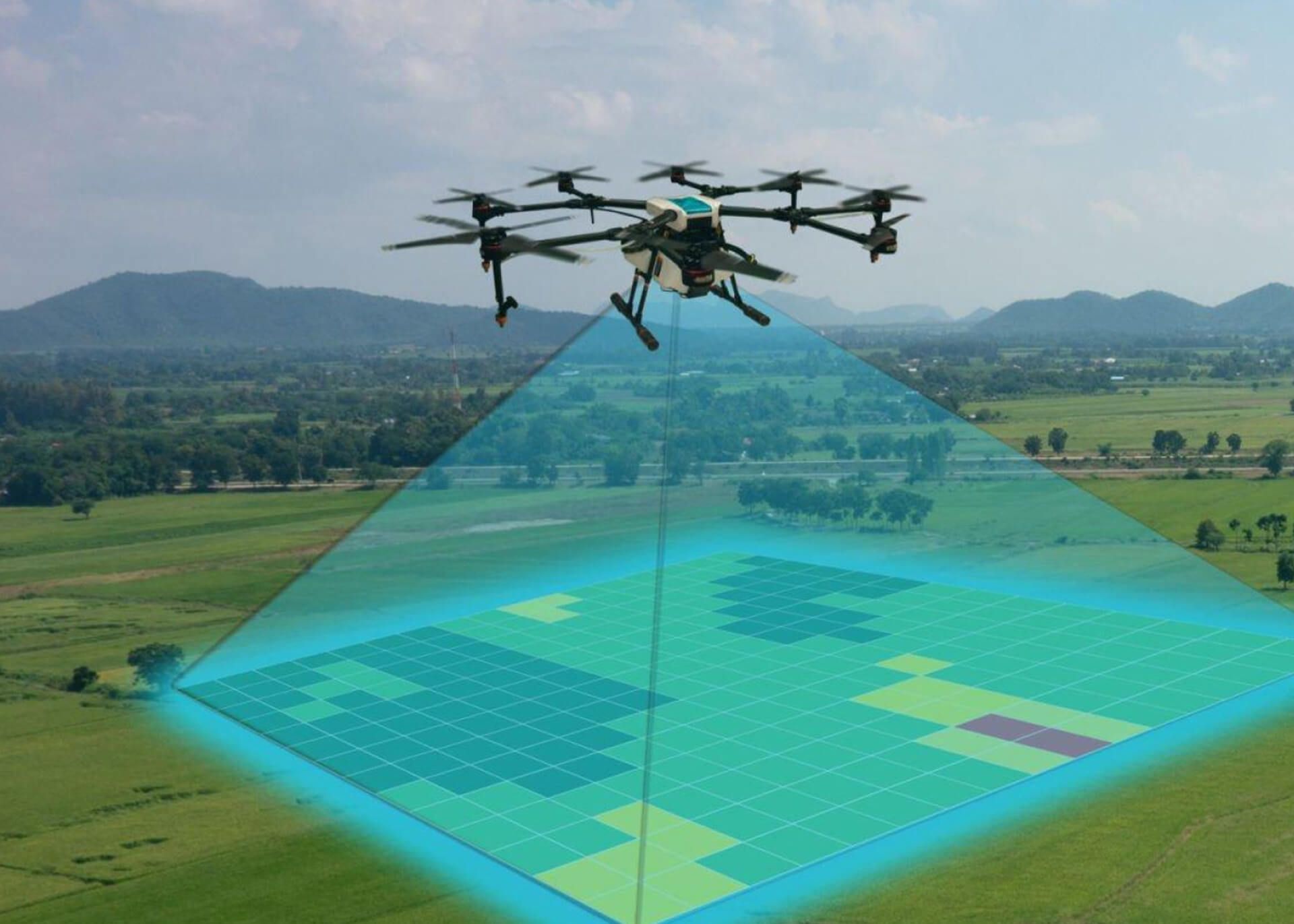
High-resolution drone cameras can capture imagery at 20 to 50 megapixels, which is more than sufficient to identify cracks in masonry, membrane deterioration, damaged flashing, failed sealants, and surface-level structural concerns on a building's facade and roof. When thermal imaging is added to the flight, the inspection gets even more valuable. Thermal cameras detect temperature differences on building surfaces that reveal trapped moisture beneath roofing membranes, insulation gaps in exterior walls, and air leakage points that aren't visible at all in standard photography. For apartment buildings where energy efficiency and moisture management matter, that's data you can actually use.
3D Facade Modeling
Using photogrammetry, the hundreds of overlapping images captured during a flight can be stitched together into a geo-referenced 3D model of the entire building exterior. Our 3D facade inspection services produce models that engineers and property managers can navigate remotely, measure digitally, and compare against future inspections over time. That kind of documentation isn't possible with a clipboard and a scaffolding setup. A scaffold inspection generally produces notes, sketches, and a limited number of photographs. A drone inspection produces an organized, permanent digital record.
When Apartment Buildings Need Drone Inspections
So when does it actually make sense to schedule a drone inspection rather than fall back on traditional methods? In most cases, the answer is sooner than building owners expect.
Routine condition assessments. Many apartment buildings go years without a thorough exterior inspection simply because the cost and disruption of traditional access methods makes it easy to defer. Drone inspections remove that barrier. They're fast enough and cost-effective enough to schedule regularly, which means issues get caught earlier and repairs stay manageable.
Post-storm damage documentation. After severe weather, property managers need a fast, clear picture of what's damaged and where. A drone can survey an entire multi-story building in a matter of hours, producing imagery that supports insurance claims and helps prioritize repairs.
Pre-purchase due diligence. Before acquiring a residential property, buyers need to understand the condition of the roof, facade, and envelope. Getting that data without scaffolding is both faster and less disruptive during what's already a complex process.
Ongoing maintenance tracking. If you're managing a large apartment complex and want to document conditions year over year, drone inspections let you build a consistent visual record without the recurring cost of traditional access equipment.
If any of those situations sound familiar, a drone inspection is worth a direct conversation with a qualified provider.
What Drone Inspections Deliver vs. Traditional Methods
Here's where the comparison becomes clearest. A scaffold inspection covers the section of the facade directly adjacent to the current scaffold position, which in many cases is as little as 10 to 15 percent of the total exterior surface per setup. Getting full coverage means moving the equipment multiple times over multiple days or weeks.
A drone inspection, by contrast, can capture close to the entire exterior of a building in a single flight session.
The deliverables are also structurally different. When we complete a commercial drone inspection, the client receives organized high-resolution imagery, annotated visuals that flag specific areas of concern, and structured reports designed for review and sharing. Those deliverables can go directly to an engineer, a contractor bidding on repairs, or an insurance adjuster without any translation step in between. That's not typically how a manual inspection with a notepad and a few photos works.
At 1st Choice Aerials, our standard turnaround is 24 to 48 hours for most inspection projects. Scaffolding-based projects for similar buildings often take multiple weeks from setup to report delivery.
Compliance, Licensing, and What to Look for in a Provider
Not every drone service is the same, and this matters a lot for commercial inspections on occupied residential properties. FAA Part 107 certification is the baseline requirement for commercial drone operations in the United States. A certified operator has passed a federal knowledge test, understands airspace rules, and is authorized to fly for commercial purposes. Without that certification, the operation isn't legal for commercial use.
Beyond Part 107, look for providers who carry proper commercial insurance, have direct experience with building inspections specifically, and can demonstrate an understanding of the deliverables that actually serve your maintenance and documentation needs. We're also a first-responder-owned business, which means our team brings genuine field experience in safety-critical environments, not just drone piloting hours.
You can also check out our recent projects to get a sense of the types of inspections we've completed and the data we deliver to clients.
Ready to Inspect Your Building Without the Risk?
If you're managing an apartment building and you're still relying on scaffolding or lifts for exterior inspections, it's worth asking whether that approach is actually serving your budget, your timeline, and your residents. In most cases, drone inspections get the job done faster, safer, and at a fraction of the cost.
1st Choice Aerials provides commercial drone inspections across Ohio, with expanding service coverage in Kentucky and Indiana. Our FAA-certified team delivers high-resolution visual and thermal data, 3D facade models, and organized inspection reports for apartment buildings, commercial properties, and industrial facilities.
Contact us today to discuss your building's inspection needs and get a clear next-step plan.
Frequently Asked Questions
Are drone inspections accurate enough to replace scaffolding for building exterior assessments?
For the visual assessment phase of an inspection, drones equipped with high-resolution cameras can capture detailed imagery of facades, rooflines, and building envelopes with precision. They don't physically touch surfaces, so conditions that require hands-on material testing may still need traditional access in specific areas. For most standard condition assessments, drone data is detailed and reliable.
How much does a drone inspection cost compared to scaffolding?
Costs vary based on building size, complexity, and what deliverables are needed. In general, drone inspections cost considerably less than full scaffolding setups, which can run into the tens of thousands of dollars for a mid-rise building before labor is factored in. Most drone inspection projects for residential buildings are completed in a single day, which also reduces indirect costs like disruption and tenant inconvenience.
Do drone operators need special licensing to inspect apartment buildings?
Yes. Commercial drone operations in the U.S. require FAA Part 107 certification. This is a federally administered certification that covers airspace rules, operational requirements, and safety standards for commercial UAV use. Always confirm that any drone operator you hire holds current Part 107 certification and carries appropriate commercial liability insurance.
Can drones detect roof leaks or moisture problems on apartment buildings?
Thermal imaging drones can detect temperature differences on roofing surfaces that indicate trapped moisture beneath membranes or insulation systems. This won't definitively diagnose every leak, but it can pinpoint areas of concern that warrant further investigation and is far more efficient than attempting the same assessment by manual access alone.
How long does a drone inspection take for a typical apartment building?
In most cases, the flight itself is completed in a few hours depending on building size and scope. Processed deliverables including imagery, annotated reports, and 3D models are generally available within 24 to 48 hours. That's a meaningful difference from scaffold-based inspections, which often take days or weeks to complete for a full-building assessment.
What's the difference between a drone roof inspection and a drone facade inspection?
A roof inspection focuses on the top surface of the building, documenting membrane condition, drainage, flashing, and potential moisture intrusion from above. A facade inspection covers the vertical exterior surfaces, including walls, windows, cladding, and structural elements. Both can be performed in the same flight for comprehensive coverage of the entire building envelope.
Is it safe to fly drones near occupied apartment buildings?
When operated by certified professionals under FAA Part 107 regulations, drone inspections can be conducted safely near occupied buildings. Pilots plan flights in compliance with FAA airspace requirements, maintain safe distances from people and structures, and are insured for commercial operations. Drone inspections generally create far less disruption than scaffolding installation, which typically affects parking, sidewalks, and building access for extended periods.