Drone Inspections vs Manual Inspections for Commercial Buildings
Key Takeaways:
- Falls from elevation account for over 400 construction and inspection-related fatalities annually, making traditional manual inspections one of the most dangerous tasks in the industry
- Commercial drone inspections eliminate the need for workers to access hazardous areas like rooftops, facades, and upper floors, significantly reducing workplace injury risk
- Drone inspections can be completed in a fraction of the time required for traditional methods, often reducing inspection duration by 80-90% while capturing more comprehensive data
- High-resolution cameras, thermal imaging, and LiDAR sensors on drones provide detailed visual documentation that surpasses what human inspectors can observe from ground level or scaffolding
- FAA Part 107 certified drone pilots must meet strict federal requirements, ensuring professional operations that comply with all aviation safety regulations
When it comes to inspecting commercial buildings, property owners and facility managers face a critical decision that impacts safety, budget, and project timelines. Traditional manual inspections have served the industry for decades, but they come with inherent risks and limitations that drone technology now addresses. At 1st Choice Aerials, we have worked with commercial property owners across Ohio who needed safer, faster, and more thorough inspection solutions. The difference between drone and manual inspections is not just about the technology. It is about fundamentally rethinking how we approach building assessment in a way that prioritizes worker safety while delivering superior results.
The Safety Crisis in Manual Building Inspections
According to theOccupational Safety and Health Administration, falls from elevation caused 421 construction and inspection-related fatalities in 2023 alone. These deaths were preventable. When inspectors climb ladders, erect scaffolding, or work from aerial lifts to examine roofs, facades, and upper-level building elements, they expose themselves to serious injury or death with every inspection.
Manual inspections require workers to access areas that are inherently dangerous. A commercial building roof inspection might involve navigating slippery surfaces, working near unguarded edges, or dealing with unstable roofing materials. Facade inspections often require expensive scaffolding systems or swing stages that put inspectors dozens of feet above the ground. Even with proper fall protection equipment, the risk remains significant.
OSHA data consistently shows that fall protection violations are among the most frequently cited workplace safety issues. In one regional study, nearly 75% of construction site inspections resulted in fall-related violations. This statistic highlights how difficult it is to maintain perfect safety compliance when manual inspection methods require people to work at heights.
At1st Choice Aerials, we have seen how drone technology eliminates this risk entirely. Our pilots operate from the ground, keeping everyone safe while our equipment captures the detailed imagery inspectors need. This approach aligns perfectly with the industry's growing emphasis on worker safety as a core value rather than just a regulatory checkbox.
Speed and Efficiency Advantages of Drone Inspections
Traditional manual inspections are time-consuming operations that often require extensive preparation before any actual inspection work begins. Setting up scaffolding for a facade inspection can take a full day or longer. Arranging for aerial lift equipment requires coordination, delivery, setup, and teardown. Even simple ladder work requires proper placement, stability checks, and safety precautions.
Drone inspections fundamentally change this timeline. A comprehensive roof inspection that might take an inspector several hours to complete manually can be finished with a drone in 30 minutes or less. Our team at 1st Choice Aerials arrives on site, conducts a preflight check, flies the mission, and captures all necessary imagery in a fraction of the time traditional methods require.
This efficiency translates to real cost savings for building owners. When you do not need to rent scaffolding, hire lift equipment, or pay for multiple days of inspector time, inspection costs drop significantly. One study found that eliminating scaffolding costs alone can save 80-90% on inspection expenses when drones make that equipment unnecessary.
Beyond direct cost savings, faster inspections mean less disruption to building operations. Commercial properties can remain fully operational during drone inspections, whereas manual inspections often require area closures, tenant notifications, and workflow interruptions. For retail locations, office buildings, and industrial facilities, maintaining normal operations during inspections has real economic value.
Data Quality and Documentation Superior to Manual Methods
The human eye has limitations. An inspector standing on a roof can only see what is directly in front of them at ground level perspective. Important details on complex roof systems, around HVAC equipment, or in areas with limited access might go unnoticed. Even experienced inspectors cannot capture every detail across large commercial roofs spanning thousands of square feet.
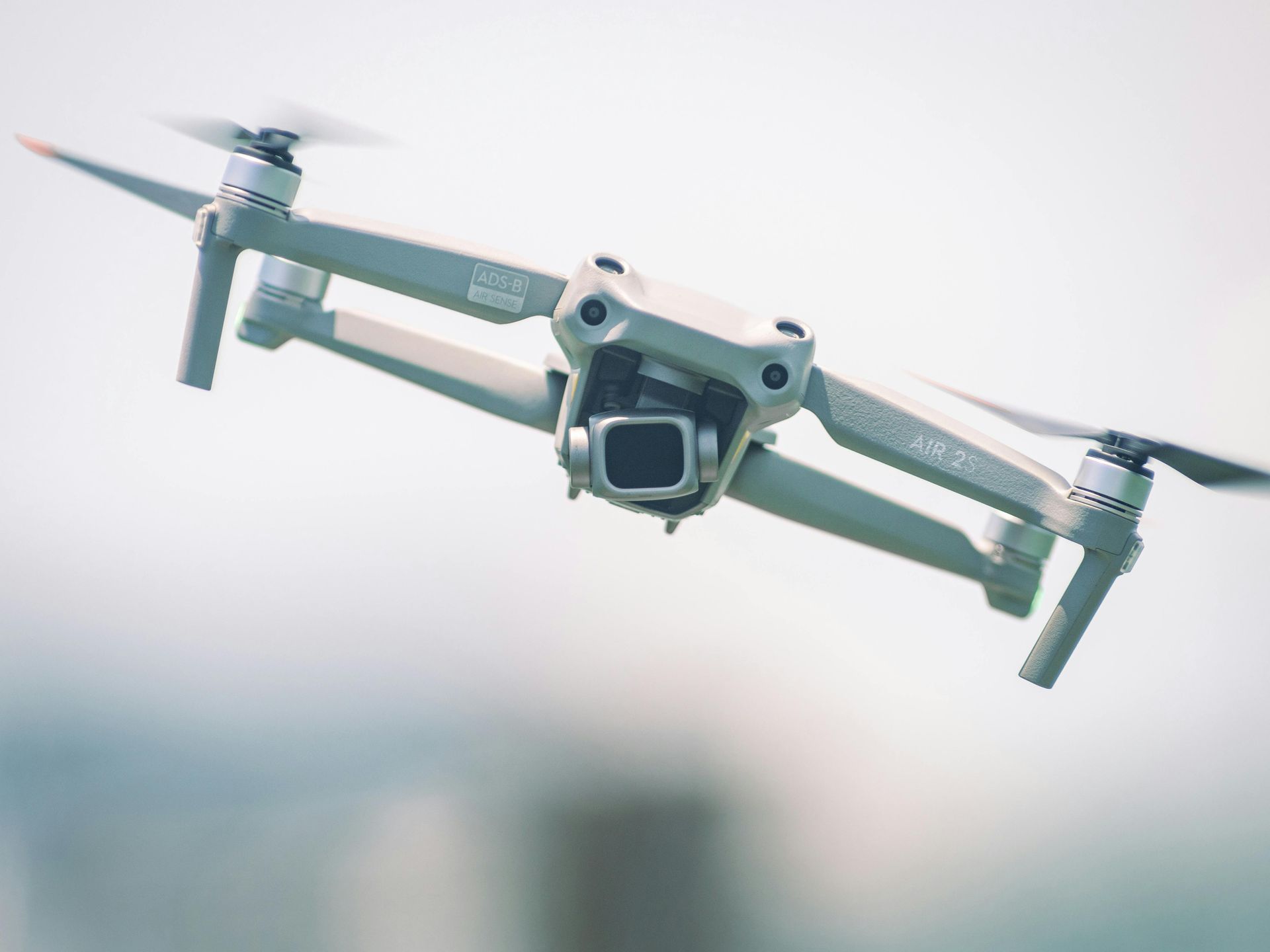
Our drone inspection services utilize high-resolution cameras that capture imagery in stunning detail. A 20-megapixel camera sensor on a modern commercial drone provides clarity that allows inspectors to zoom into specific areas during post-flight review, identifying issues that would be impossible to spot with the naked eye during a manual walkthrough.
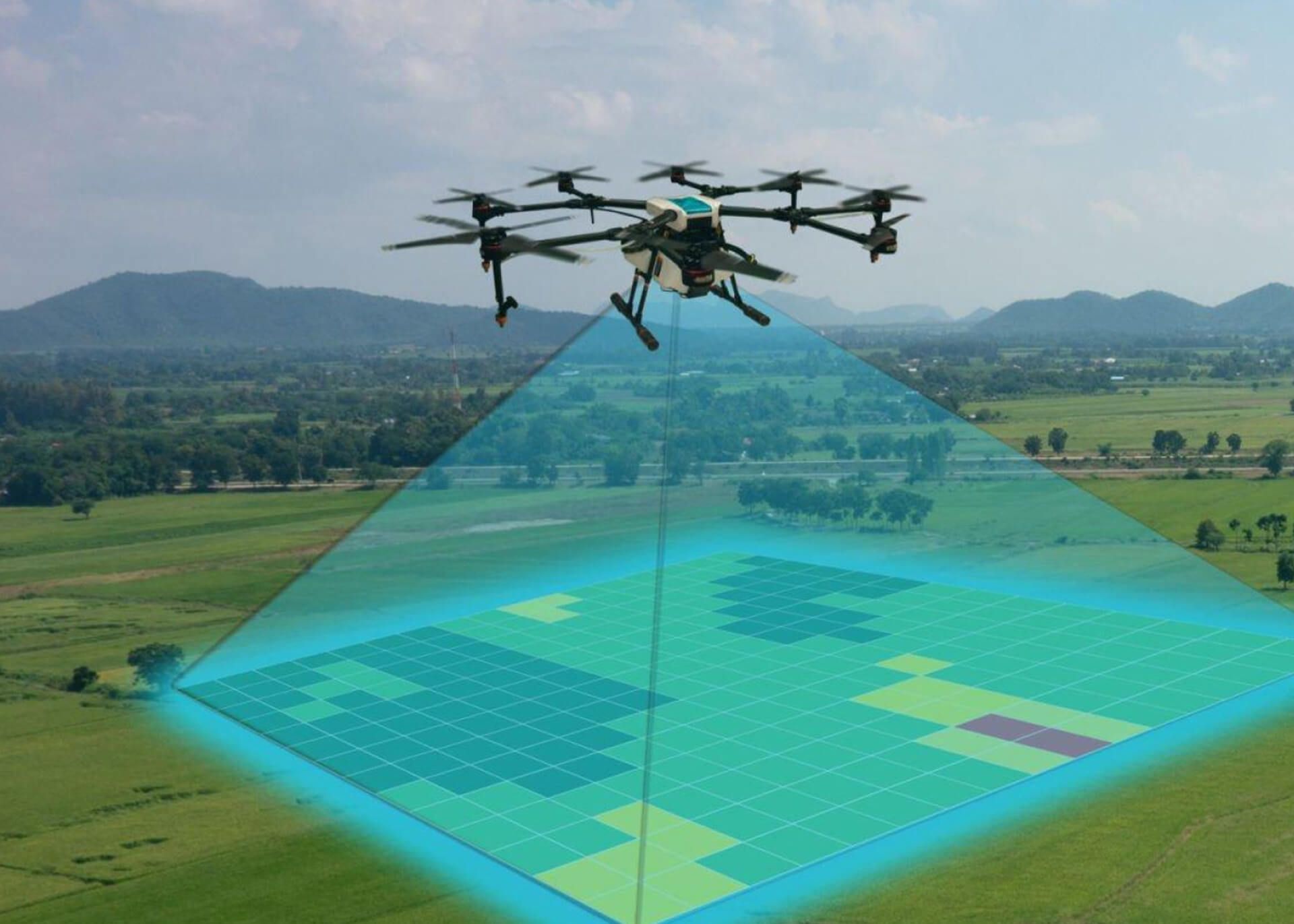
Thermal imaging adds another dimension that manual inspections cannot match. Our thermography services use infrared cameras to detect temperature variations invisible to human vision. These thermal signatures reveal moisture intrusion, insulation deficiencies, HVAC system problems, and electrical issues before they become visible damage. An inspector walking a roof sees the surface. A thermal camera sees what is happening beneath it.
The documentation created during drone inspections provides a permanent, timestamped record of building conditions. Every image is georeferenced, meaning it is tied to specific GPS coordinates. This allows for precise comparison over time. When you conduct annual inspections with 1st Choice Aerials, we can overlay current imagery against previous years to identify exactly where changes have occurred, how quickly deterioration is progressing, and where maintenance resources should be prioritized.
This level of comprehensive documentation proves invaluable for insurance claims, regulatory compliance, maintenance planning, and capital budgeting. Property managers can show building owners, insurers, and stakeholders exactly what issues exist and where they are located, rather than relying on written reports and limited photographs from manual inspections.
Access to Areas Manual Inspection Cannot Safely Reach
Some building features present such significant safety challenges that manual inspection is either prohibitively expensive or entirely impractical. High-rise facades, church steeples, communications towers, and architectural features on historic buildings fall into this category. Traditional inspection methods might require specialized equipment like boom lifts, rope access technicians, or even helicopter surveys.
Drones access these areas routinely and safely. Our pilots can position cameras at any angle, elevation, or distance needed to capture clear imagery of building elements that would be dangerous or impossible for human inspectors to reach. We regularly inspect features 100 feet above ground level with the same ease we inspect roof surfaces 15 feet up.
This capability is particularly valuable for commercial property owners dealing with aging infrastructure. When you need to assess the condition of masonry on upper floors, examine parapet walls, or inspect rooftop equipment that is difficult to access, drones provide a solution that does not require putting workers in danger or investing in expensive specialty equipment for a single inspection.
Regulatory Compliance and Professional Standards
The drone industry operates under strict federal regulations that ensure professional, safe operations. All commercial drone pilots must obtain certification through theFederal Aviation Administration's Part 107 program, which requires passing an aeronautical knowledge test covering airspace classification, weather conditions, flight restrictions, and operational safety.
At 1st Choice Aerials, our team holds all required certifications and maintains full compliance with FAA regulations. We operate with proper insurance, registered aircraft, and pilots who complete recurrent training to stay current with evolving requirements. This professional standard protects property owners by ensuring that inspections are conducted safely, legally, and with accountability.
Manual inspections, while governed by OSHA safety requirements, often involve temporary workers or subcontractors with varying levels of training and experience. The inspection quality can vary significantly based on who performs the work. With our drone services, property owners get consistent, professional results backed by our team's expertise in construction, aviation, and engineering.
Cost Analysis: Total Investment Beyond Hourly Rates
When comparing costs between manual and drone inspections, it is important to look beyond simple hourly rates. Manual inspections may have lower advertised inspection fees, but the total project cost often exceeds expectations once all associated expenses are included.
Consider a typical commercial roof inspection. Manual inspection costs include:
- Inspector time (multiple hours on site)
- Access equipment rental (ladders, lifts, or scaffolding)
- Setup and teardown labor
- Safety equipment and fall protection systems
- Insurance and liability coverage for at-height work
- Potential building downtime or operational disruptions
Drone inspections consolidate these costs into a single, predictable service. We arrive, fly the mission, and deliver comprehensive documentation. No equipment rentals. No multi-day setup. No workers at risk. Property owners know exactly what they are paying upfront, and the final cost typically comes in well below what a comparable manual inspection would require.
Our construction services clients have found that the economics of drone inspection make frequent monitoring financially feasible. Instead of annual inspections due to cost constraints, building owners can inspect quarterly or even monthly, catching problems early when repairs are less expensive and preventing small issues from becoming major capital expenses.
When Manual Inspection Still Has a Role
Drone technology is powerful, but it does not replace manual inspection entirely. Some situations still require hands-on assessment. Interior building inspections, structural probing, material sampling, and detailed mechanical system evaluations need human inspectors with specialized tools and expertise.
The most effective approach combines both methods strategically. Drones provide comprehensive exterior documentation and identify areas requiring closer examination. Manual inspectors then focus their efforts on specific problem areas identified through aerial imagery, making their on-site time more productive and targeted.
This hybrid approach maximizes safety and efficiency. Instead of walking an entire roof looking for problems, inspectors can review drone imagery, identify specific locations needing attention, and access only those areas with proper safety precautions. This reduces time at height while ensuring nothing important gets missed.
At 1st Choice Aerials, we work collaboratively with building inspectors, engineers, and facility managers. Our aerial data complements their expertise, providing them with better information to make informed recommendations about building maintenance and capital planning.
Making the Right Choice for Your Commercial Property
The decision between drone and manual inspection depends on your specific needs, building characteristics, and inspection objectives. For routine exterior condition assessments, roof evaluations, facade inspections, and documentation purposes, drone technology offers clear advantages in safety, speed, cost, and data quality.
Large commercial properties, multi-building campuses, and facilities with challenging access benefit especially from drone inspection capabilities. Our mapping services create comprehensive site documentation that helps property managers track conditions across extensive portfolios without the logistical challenges of coordinating manual inspections at multiple locations.
Geographic coverage is another consideration. We serve commercial properties throughout Ohio and surrounding states, with pilots positioned to provide rapid deployment when inspection needs arise. Whether you manage properties in Cincinnati, Dayton, or Columbus, our team delivers consistent professional service backed by industry expertise and advanced technology.
Partner With Professionals Who Understand Buildings
At 1st Choice Aerials, we are not just drone operators. Our team includes professionals with backgrounds in construction, engineering, and building systems. We understand what property owners need to see and how to capture imagery that answers their questions. This expertise makes our inspections more valuable than simple aerial photography.
When you work with us, you get actionable data delivered in formats you can use immediately. Whether you need high-resolution photos for insurance documentation, thermal imagery for maintenance planning, or comprehensive site maps for capital budgeting, we provide deliverables tailored to your specific requirements.
Our goal is to help building owners and property managers make informed decisions based on complete, accurate information about their assets. Drone technology is simply the tool we use to gather that information safely, efficiently, and thoroughly.
Ready to experience the difference professional drone inspections make for your commercial property?Contact 1st Choice Aerials today to discuss your inspection needs and discover how our services can help you maintain your buildings more safely and cost-effectively. We deliver the comprehensive documentation you need to manage your property with confidence.